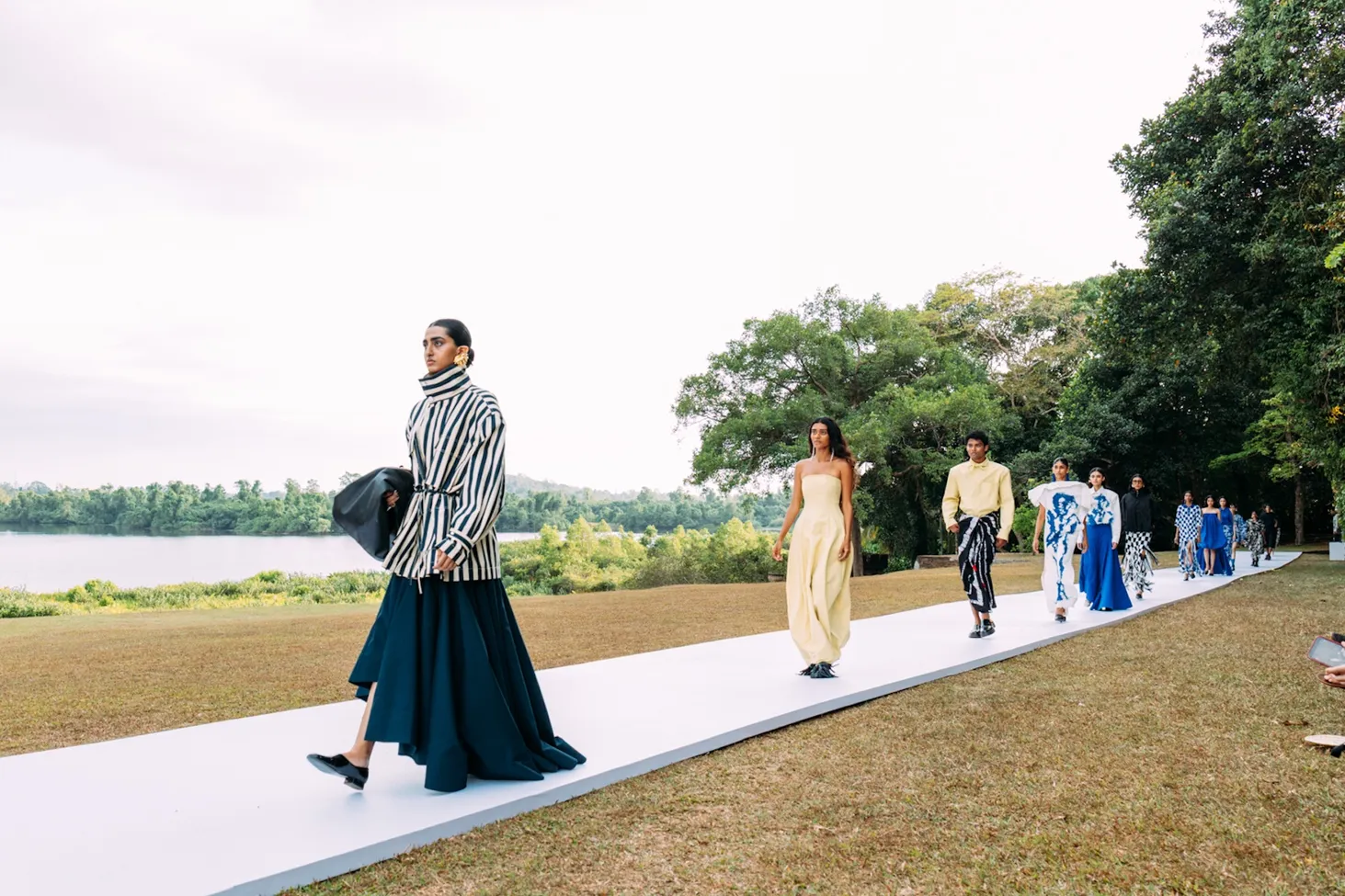
There is a specific kind of woman Lovebirds keeps returning to in conversation, one who is fully herself before she is fully dressed. The Indian label has spent over a decade building a world around that idea, polished but never precious, rooted in craft yet entirely at home on a global stage. Clothes here are not meant to announce anything. They are meant to move, quietly, with a life already in motion. We sat down with the founders to talk about restraint, ritual, and the discipline it takes to make ease look this good.
If you had to describe Lovebirds in just one sentence, what would it be?
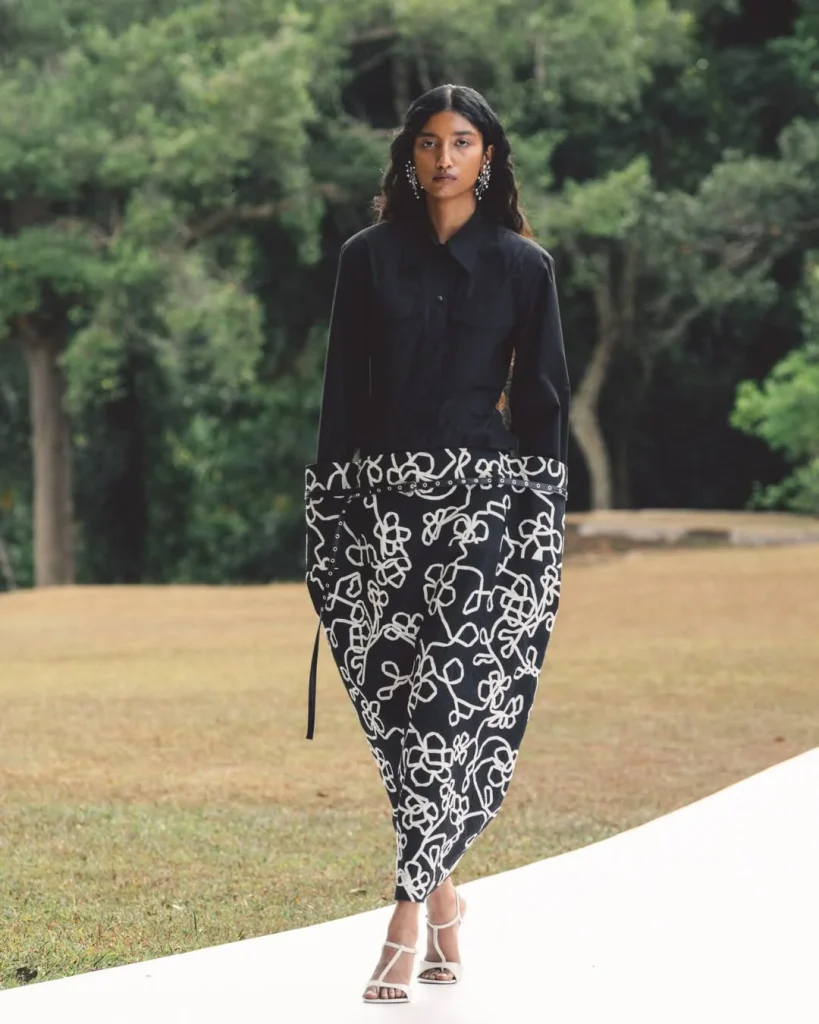
Lovebirds is the sweet spot between aspiration and ease. A decisiveness that comes from pushing limits, and also knowing when to stop. It’s restraint, but in the best way possible.
What’s the very first emotion you want someone to feel when they step out of the house wearing your designs?
Confident, first. But also something more specific, a Lovebirds piece should fulfil comfort, desire, and ease all at once. That feeling when everything is just right and you don’t have to think about it. It’s almost tactile, the way a fabric feels when you pull it off the rail, the weight of it, the smell of it.
How do your roots blend into such a modern, urban aesthetic?
Our clothes mirror the world we design for, the modern Indian woman who is deeply attached to her Indianness but keeps a global outlook. She can create a place for herself wherever in the world she finds herself. That’s who we’re always thinking about, and we work the same way. Indian craft, Indian technique, Indian textile, made with the intent that it belongs anywhere she does.
Your pieces often feel like wearable art. Is there a specific artist or movement that fuels your creativity?
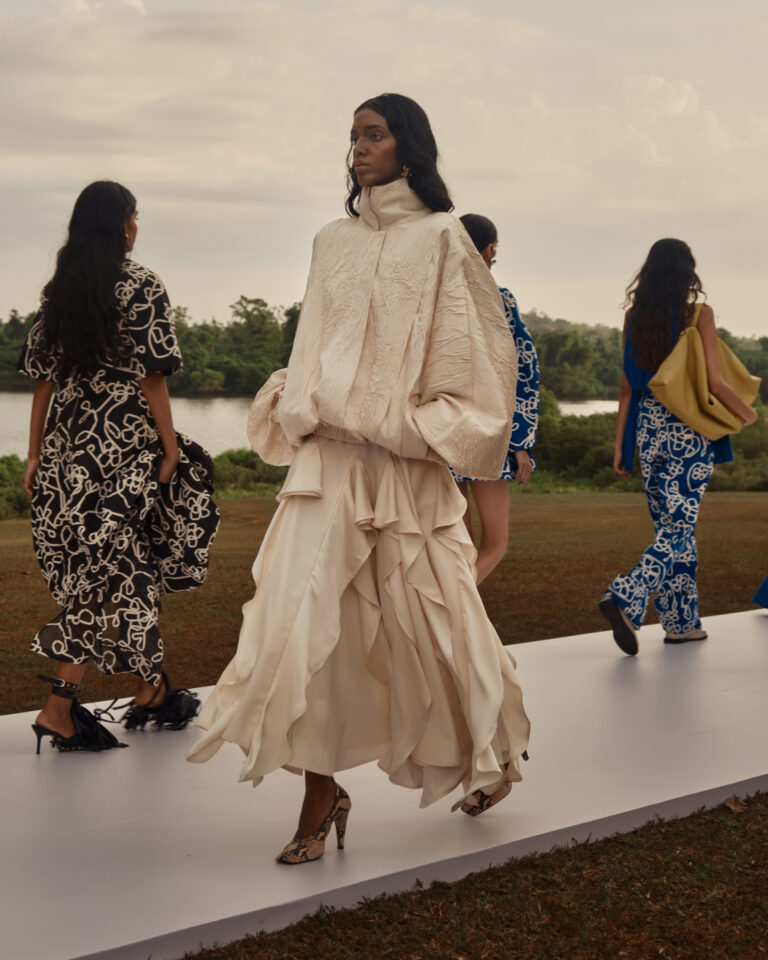
Nature, architecture, art, all of it feeds us constantly. A collection usually begins with one single thing, and then you follow it, and the further you go, the more it finds its own shape and context. Our Resort 27 collection is the best example of this. It started with Geoffrey Bawa, with Lunuganga, and as we went deeper, the language of the whole collection just grew around it.
“It’s restraint, but in the best way possible”
What’s the first thing you do when you walk into the studio to get into the creative zone?
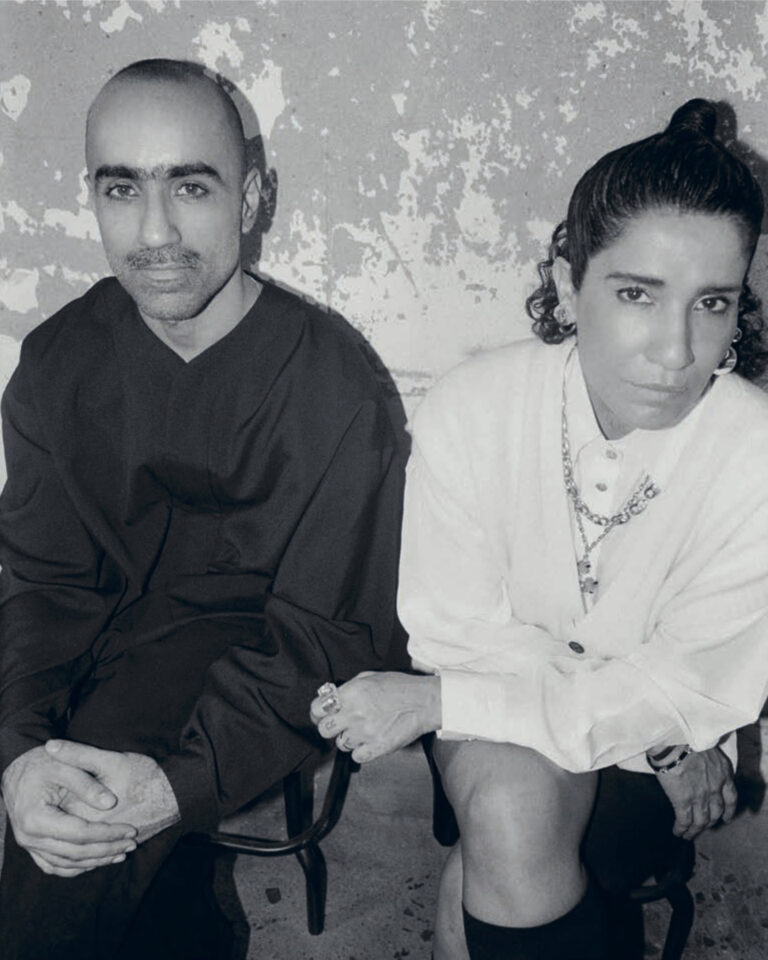
Gursi: we’re usually the first ones in. Before anything else, every day, like a ritual, I arrange my work table. There’s something about setting the space that sets the work.
Amrita: the studio holds a lot, art on the walls, a shelf of books we’ve built over the years, objects from our travels. It does a lot of the heavy lifting on its own. So when I come in, I sit with all of that for a minute. I take it in, feel genuinely grateful for it, and then get on with the day.
Prints or solid colors?
For work, honestly, both of us lean towards solids. We keep well tailored trousers and crisp shirts within reach so we’re not spending energy deciding, we just know it’ll work. On holiday, though, minimal prints, some colour. How else do you actually feel like you’re on holiday?
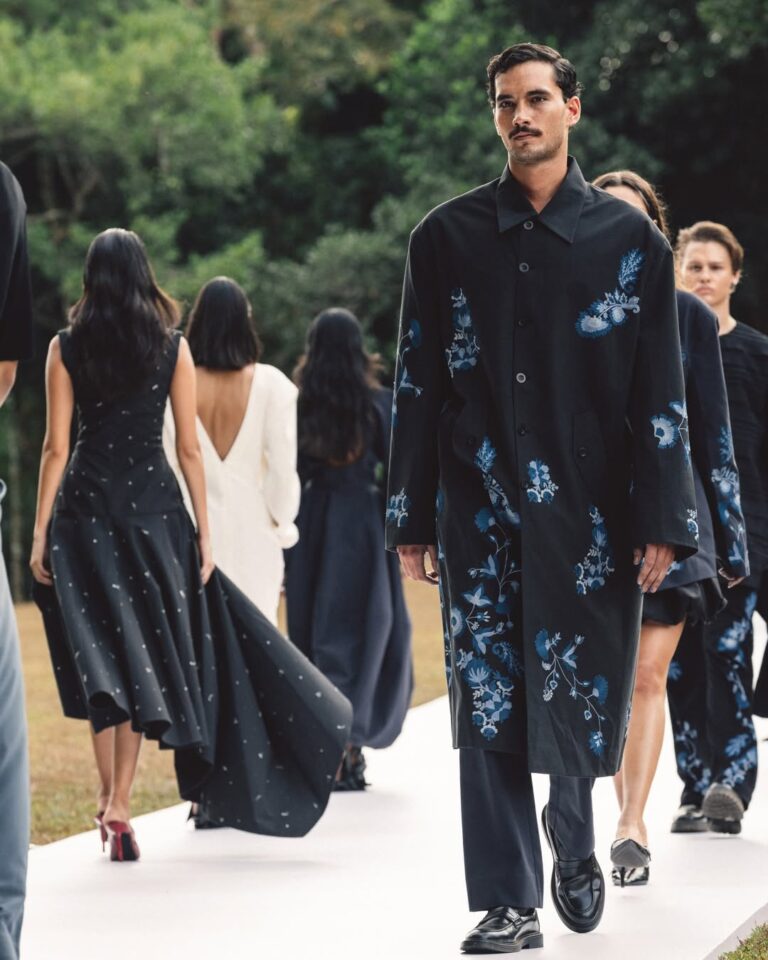
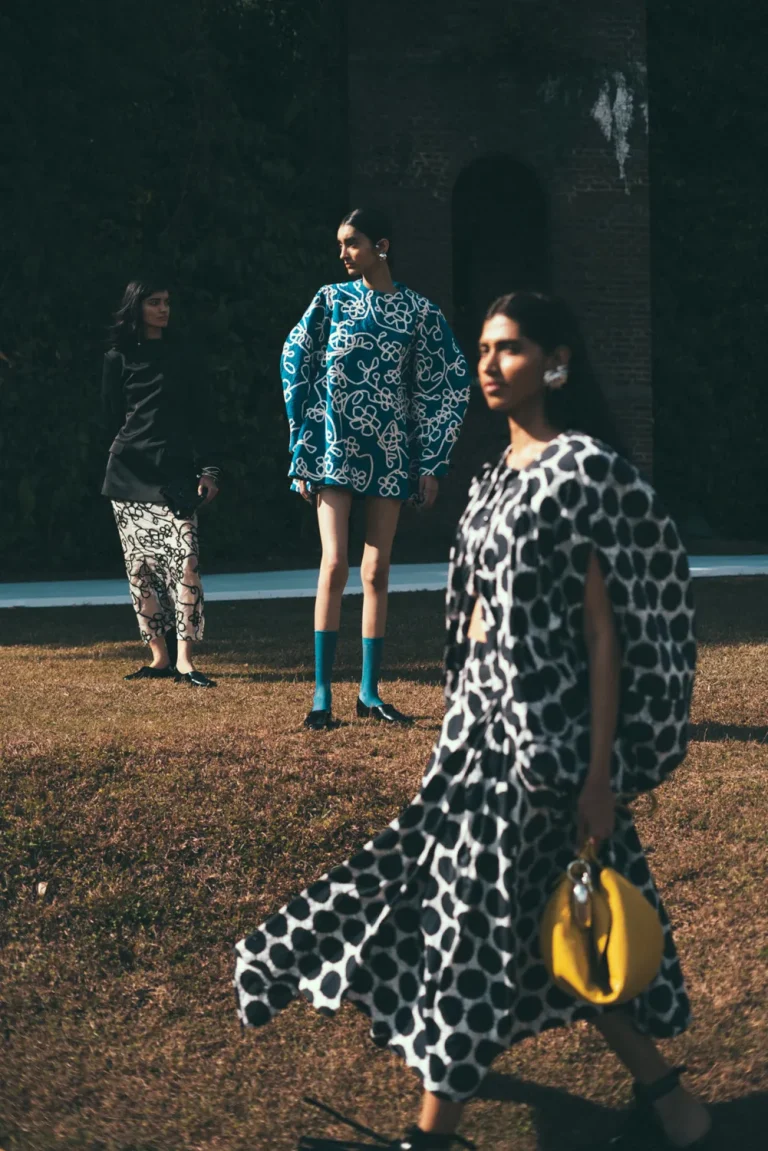
“She’s comfortable in her own skin, genuinely comfortable, not performatively”
Who is the ultimate Lovebird? Describe your ideal muse.
She’s comfortable in her own skin, genuinely comfortable, not performatively so. Forward looking, not afraid to experiment, and she always puts function before form. She has a life she’s actually living, and she needs her clothes to keep up with that. That woman is who we design for, every time.
If you could collaborate with any artist or brand in the world, who would it be?
Anish Kapoor, without a second thought. The way he works with space, scale, and material opens something up in your mind every time. We’d love to see where that conversation could go.
And finally, what’s one thing you’d want people to know about you?
That running a fashion brand is not all glamour, we want to put that idea to rest. It’s dedication, hard work, and more than anything, discipline. We know what discipline looks like for us, and we hold ourselves and each other accountable. But we’re also learning, more recently, to balance that with actually living, and we’re enjoying every bit of that too.