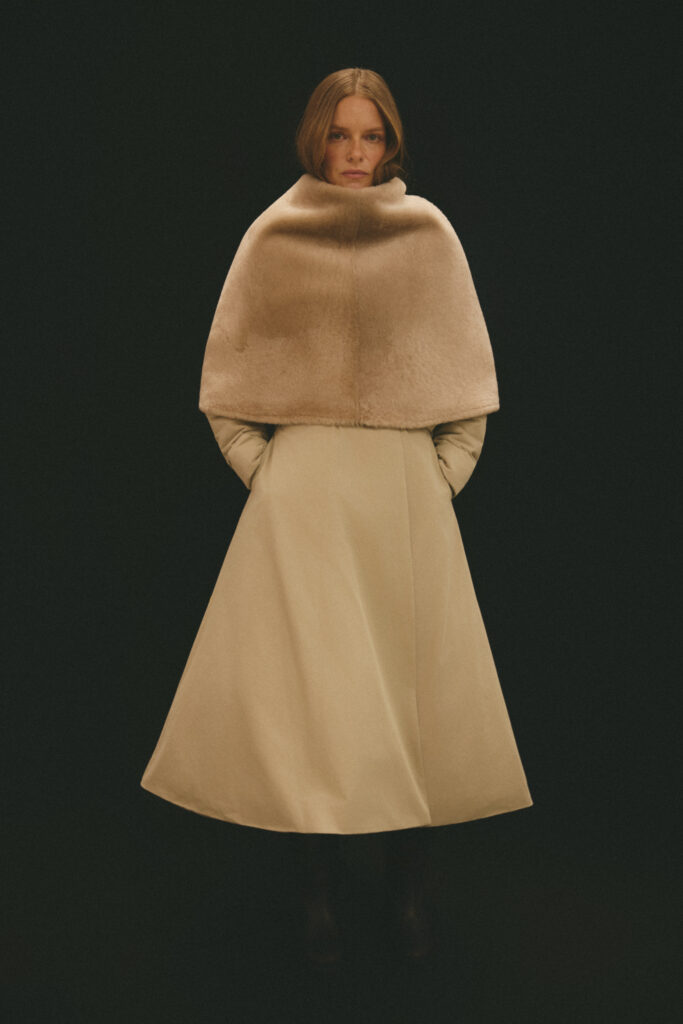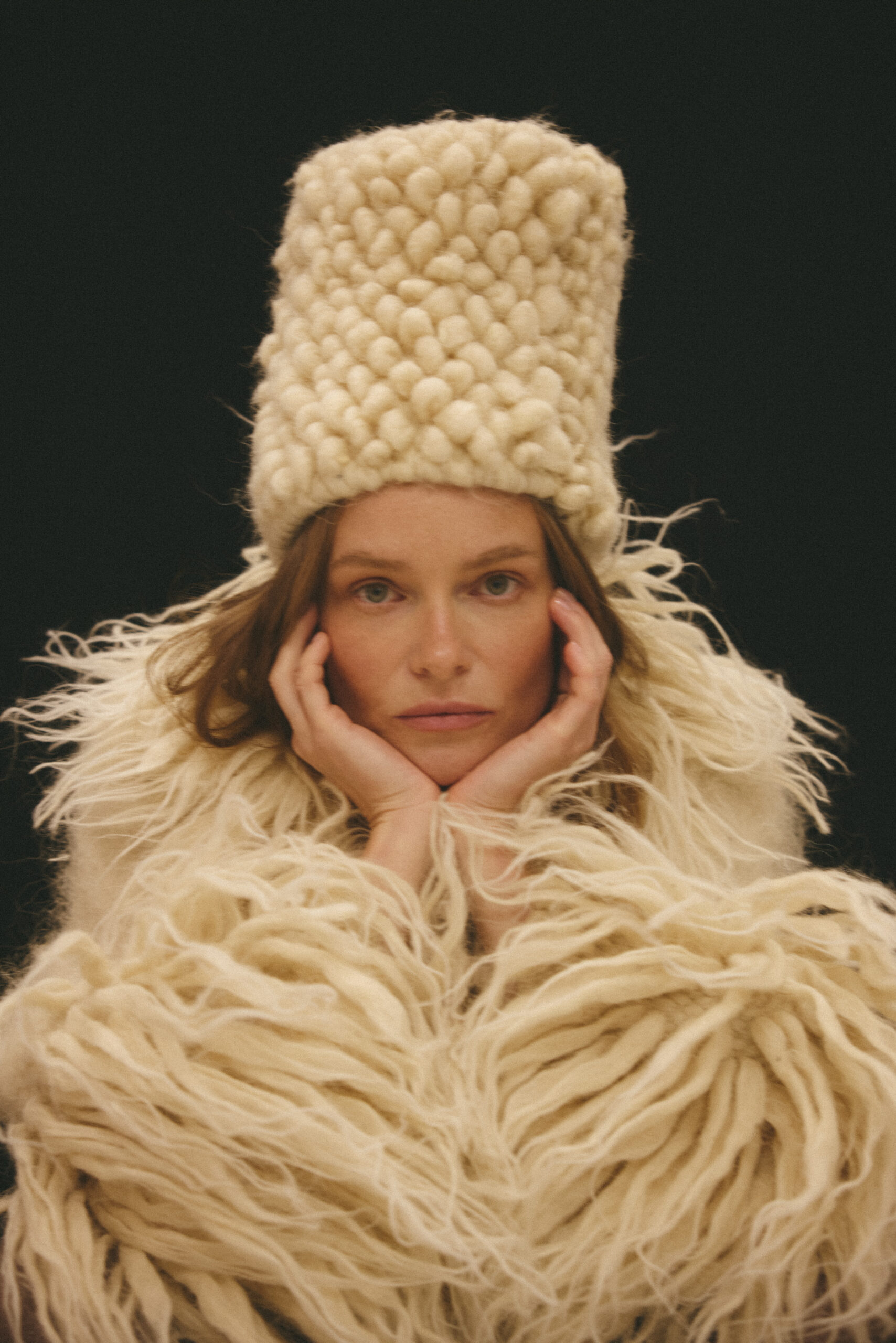
A garment, in Karen Arcanjo’s world, begins with cloth and is completed by the human hand. Between the two lies the material she values most: time. Time to choose a fabric, to shape a silhouette, to repeat a stitch until an object begins to mean something. Since founding her house in 2021, Arcanjo has built a vocabulary of precise cut, natural materials and craftsmanship, and she guards it closely.
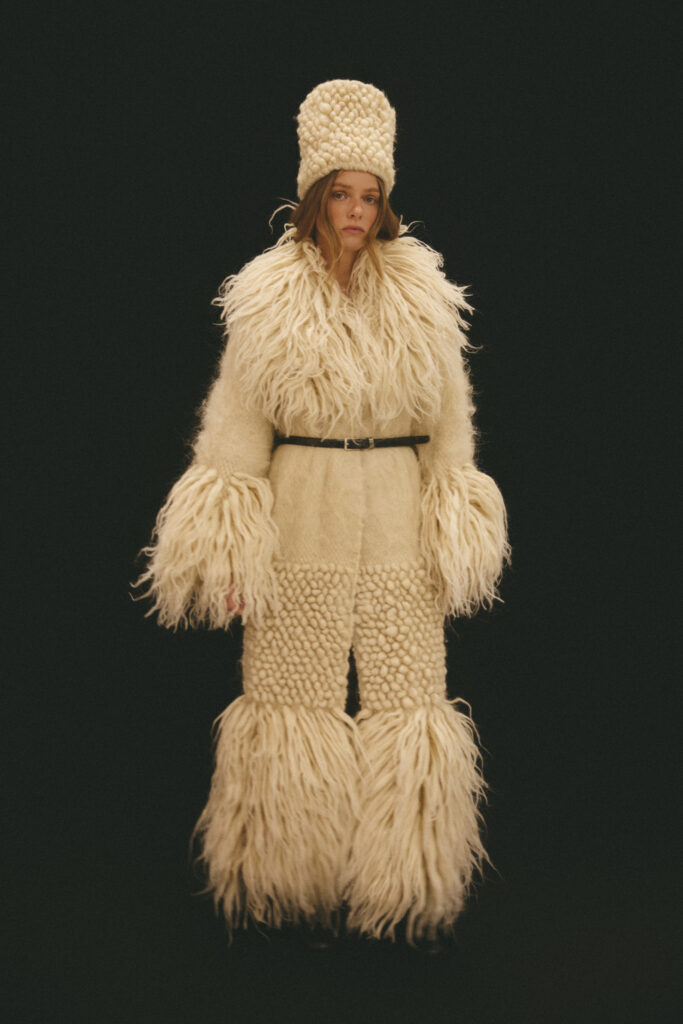
Ask her for the morning it all fell into place and she declines the premise. “I don’t think there was one particular moment when I felt that I had ‘cracked the code,'” she says. “For me, it was more of a gradual process of understanding what makes Karen Arcanjo truly ours.” There was, though, a turn. “There was a moment when I realised I no longer wanted to follow what the fashion world was telling me I should create,” she says. From then on she designed what she would want to wear herself, pieces built on “femininity, strength, sensuality, and a certain sense of timelessness.” “I understood that our strength is not in following trends, but in creating pieces that women remember.”
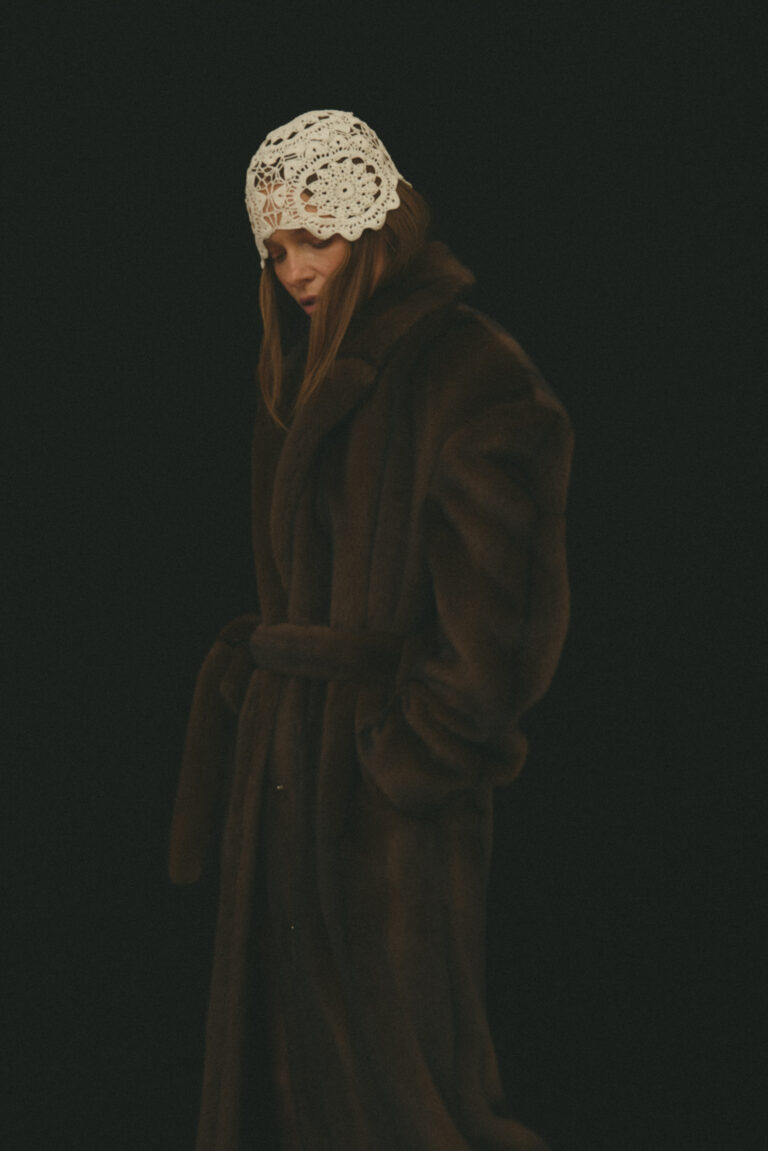
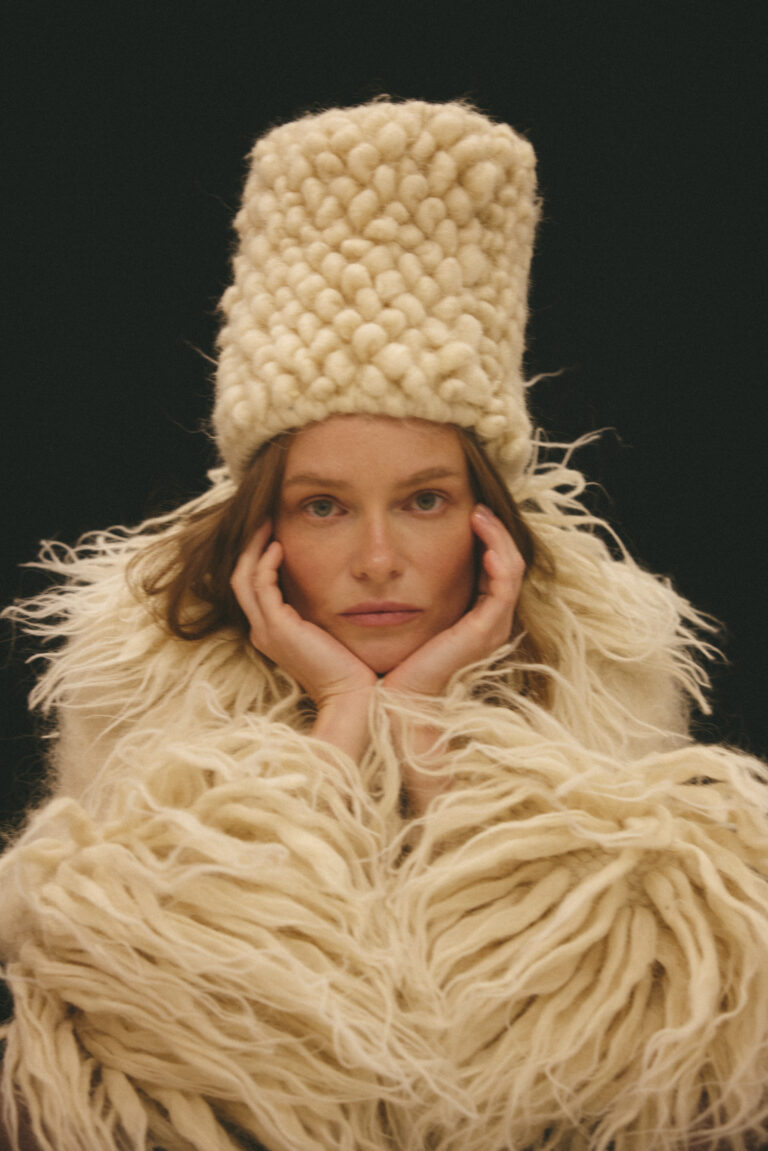
Her simplest explanation, the one she would give a child, is disarming. “We create clothes that make your mum feel like a princess,” she says. “There is something special about putting on a garment that suddenly makes you stand differently, move differently, feel more confident.”
That simplicity belies how deliberately the identity is protected. In an industry that rewards constant reinvention, Arcanjo practises the opposite discipline of repetition and refinement. “I constantly come back to who we are,” she says. “I don’t want Karen Arcanjo to be defined by a particular trend or season.” She can list the vocabulary on the spot: femininity, tailoring, beautiful textures, craftsmanship, and a touch of drama and sensuality. “I think the greatest luxury today is having a recognisable identity,” she says. “I would rather someone see a silhouette or a detail and immediately think, ‘This is Karen Arcanjo.'”
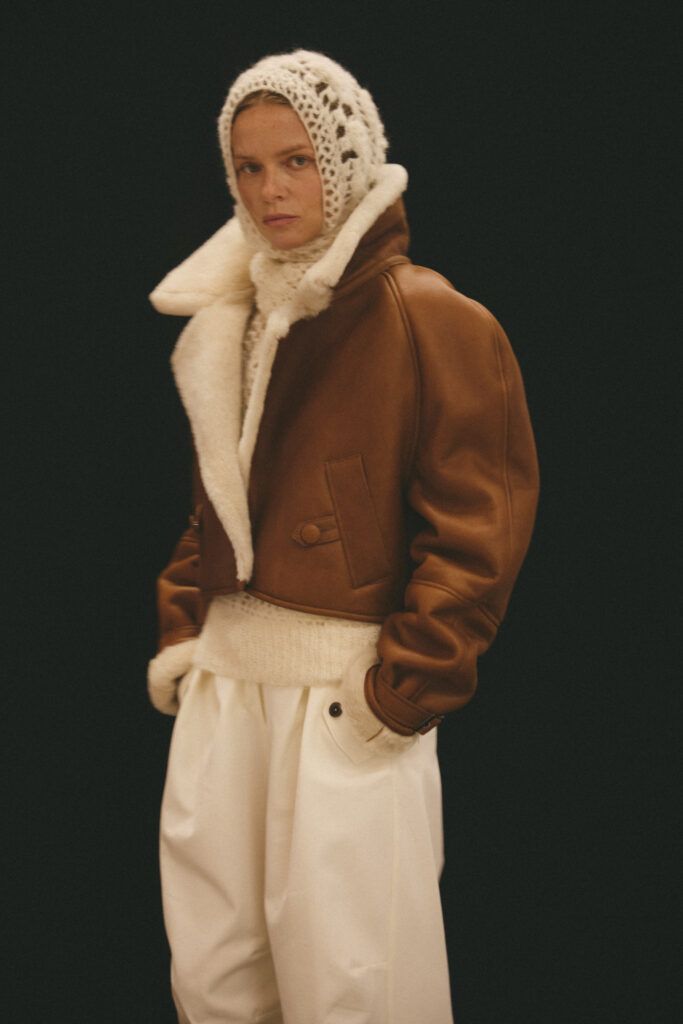
Much of that identity is made by hand. Alongside the tailoring sit crocheted structures, hand-knitted pieces and details produced in Polish workshops. None of it is ornament for its own sake: each element is part of how the garment is built, and a record of how it was made. In the house’s own philosophy, craftsmanship is not added to the design process. It is where the process begins.
The least photogenic part of the work, she says, is refusal. “People often imagine creativity as a constant flow of new ideas. In reality, a huge part of my work is editing, removing details, changing proportions, simplifying, fitting and refining something over and over again until the design finally feels right.” Behind every finished image there are fittings, samples that fail, last-minute changes, and sometimes an entire project begun again from scratch. “The final image may look effortless,” she says, “but getting there very rarely is.”
The same certainty extends beyond the studio. Her imagined playlist for the house opens with “The Look” by Metronomy, for its “confidence, sensuality, and a certain sense of nonchalance,” and closes with Chris Isaak’s “Wicked Game”: “feminine, mysterious, and slightly dramatic.” Given five minutes before an unplanned shoot, she would reach for a great coat. “You can wear something very simple underneath, but a beautifully tailored coat immediately gives the silhouette character and presence,” she says. “And, of course, lipstick. Everything else can wait.”
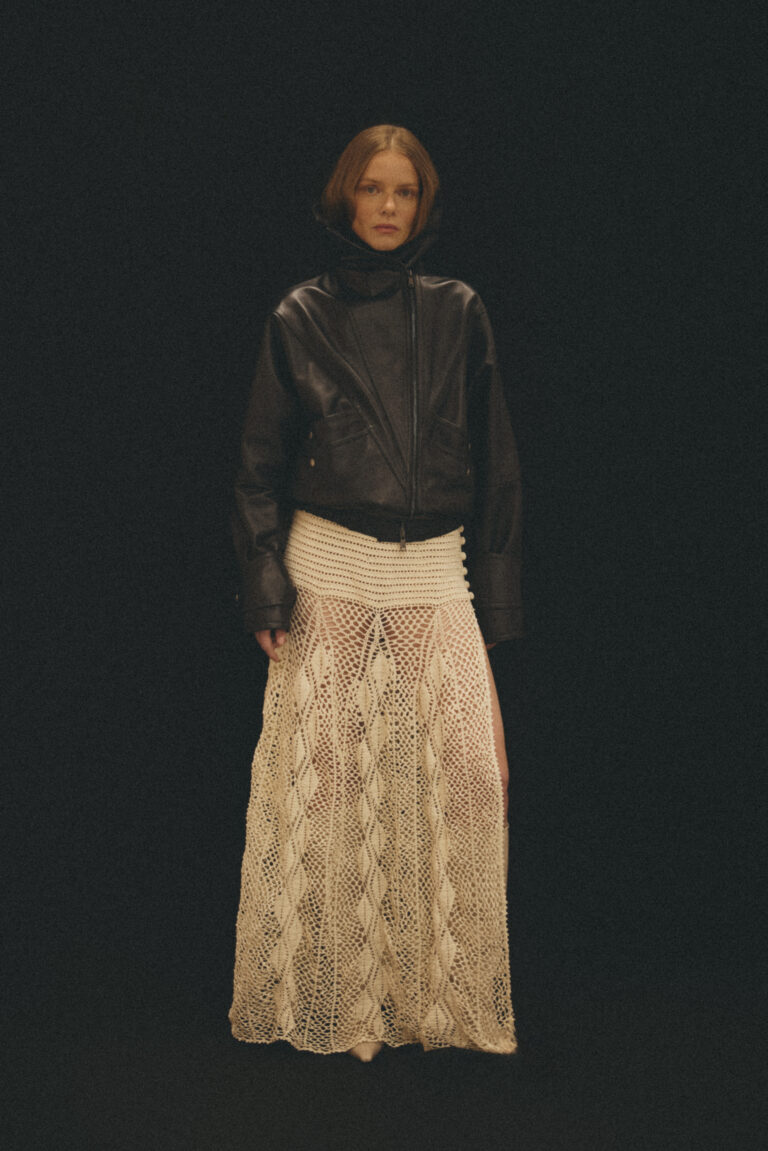
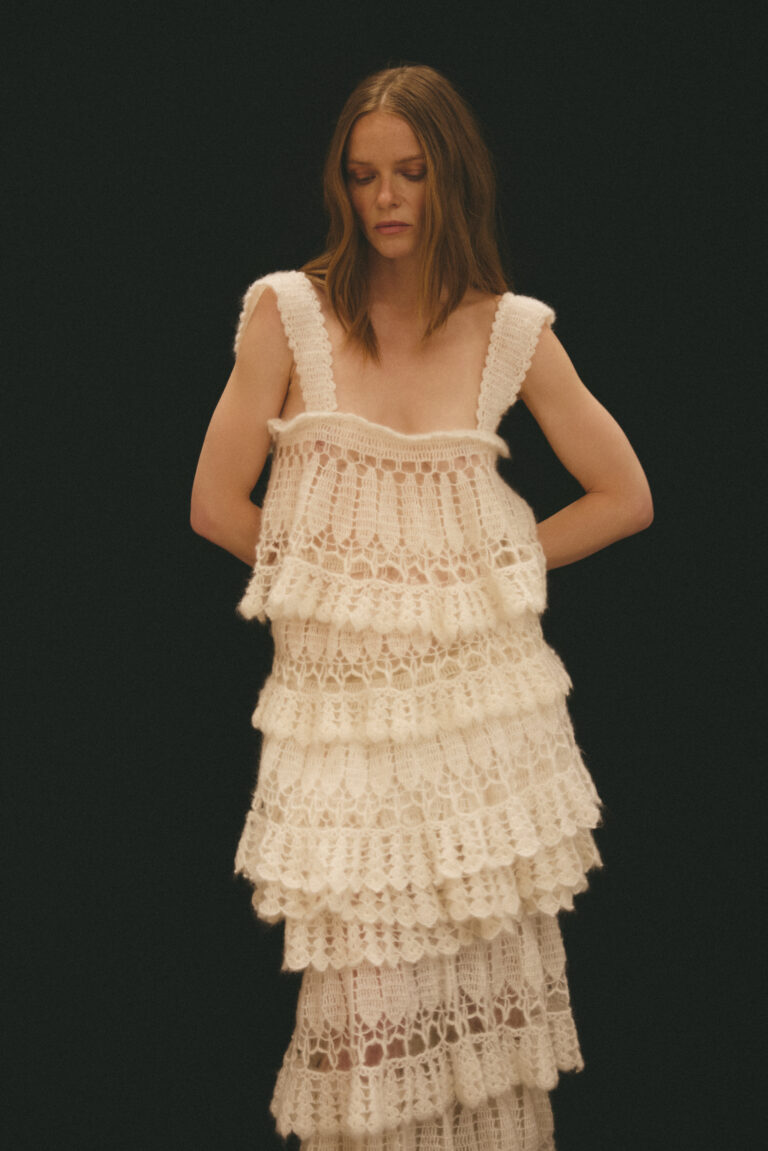
Her plans for the next five years are ambitious but unhurried. She wants Karen Arcanjo recognised internationally as a distinctive Polish luxury house, sold in the major markets through a small, carefully chosen network of retailers, and still intimate at its core. Craft remains the centre of gravity: developing traditional techniques, working closely with artisans, and giving new form to knowledge that is slowly disappearing. “I don’t want to build a brand that is everywhere,” she says. “I want to create a brand that exists in special places.” The aim is a house that women do not simply buy clothes from, “but a brand they dream of wearing.”
For herself, she wants to stay close to the work: designing, handling fabric and silhouette, protecting the feeling that made her begin. A garment begins with cloth. It is completed by the human hand. And then it remains.