Louise Sommerlatte gave her label a name that describes her own life. Hamaji is Swahili for “nomad,” and it began as her graduation collection at design university: a study of nomadic craftsmanship, the Silk Road and textile embellishment. Only later did she see what she had really been designing. “The defining moment came when I realised it represented something far more personal, a reflection of the creative, nomadic upbringing that shaped me,” she says. Hamaji became a way to turn that “feminine, free-spirited essence” into something you could wear.
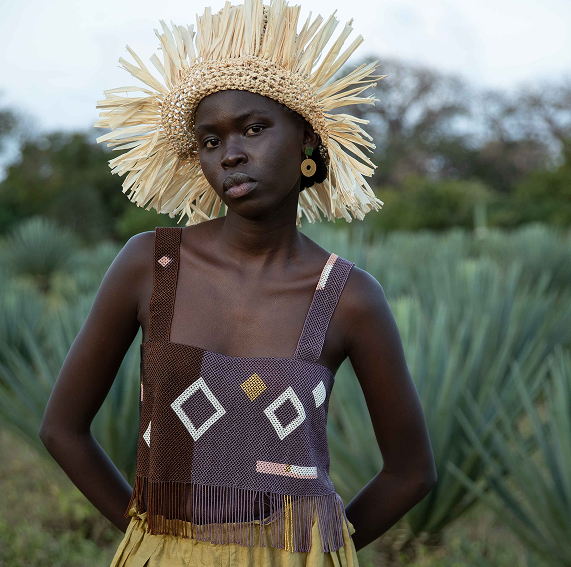
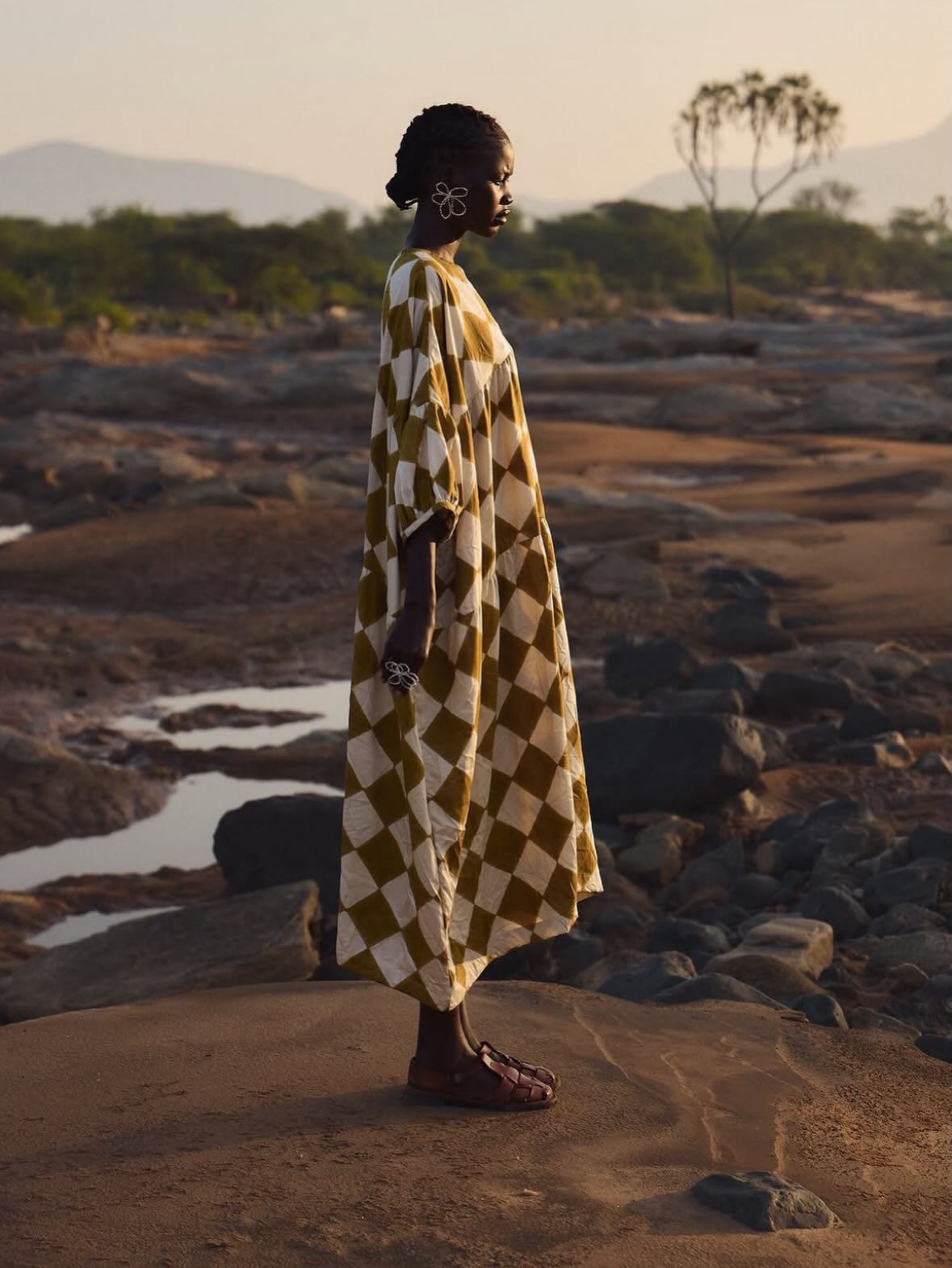
Today the label sits where two textile cultures meet across the Indian Ocean. From East Africa come ease and warmth: coastal colour palettes, fluid silhouettes, organic textures. From India comes depth, in handloom weaving, botanical dyeing, embroidery and techniques passed down through generations. Sommerlatte describes the result as collections that feel “both grounded and nomadic,” raw natural beauty balanced by refined handcraft.
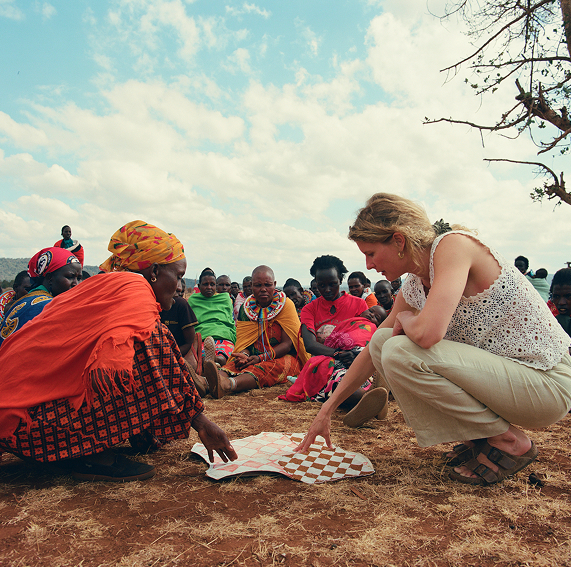
Much of that work happens in Kenya, where Hamaji works with handloom weavers, Maasai beaders, knitters and embroiderers spread across the country. Reaching them is part of the job: “A day with them always begins with quite a journey, whether on the back of a motorbike or down a dusty road.” Then come tea and conversation, as maker and designer work out colours, techniques and how to realise an idea together. “This is the part that inspires me most about Hamaji,” she says, “being able to spend hours talking about craft with the true masters of their art.”
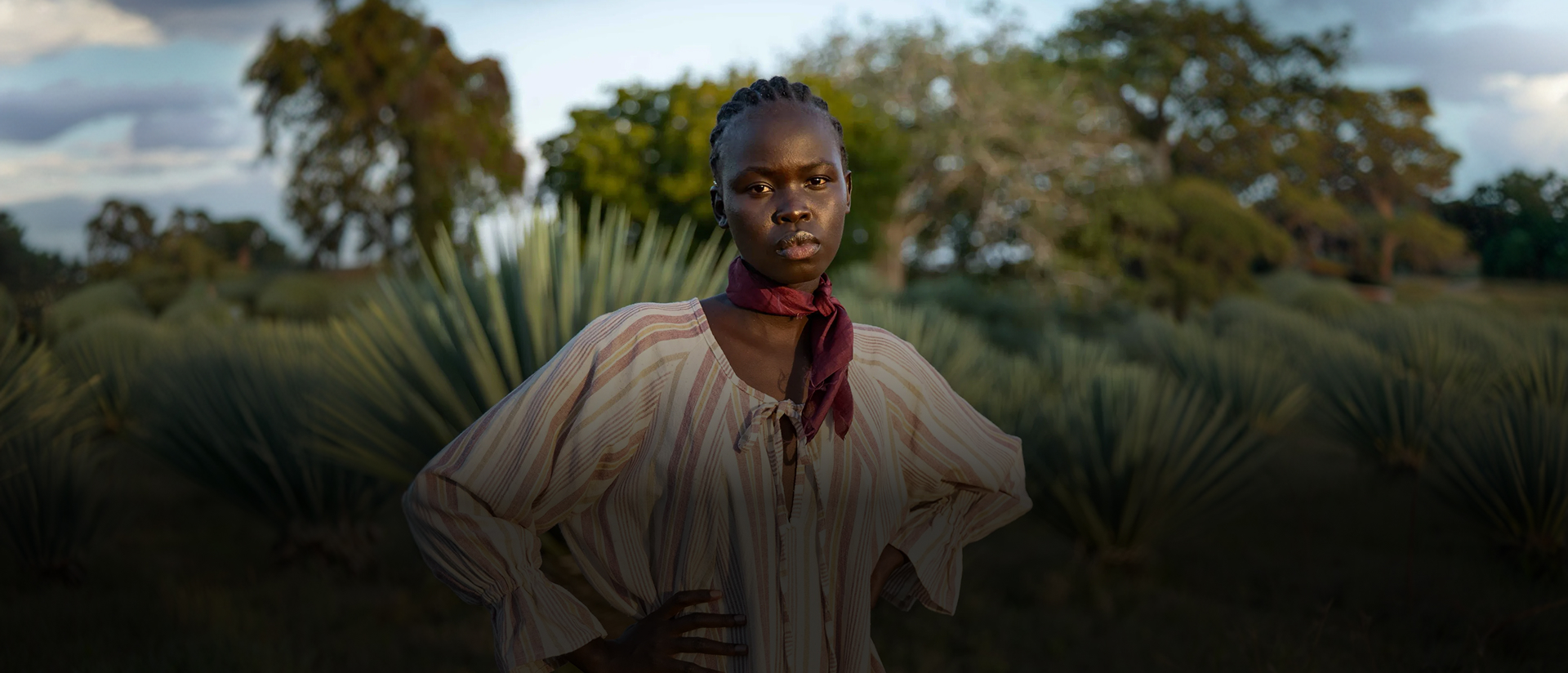
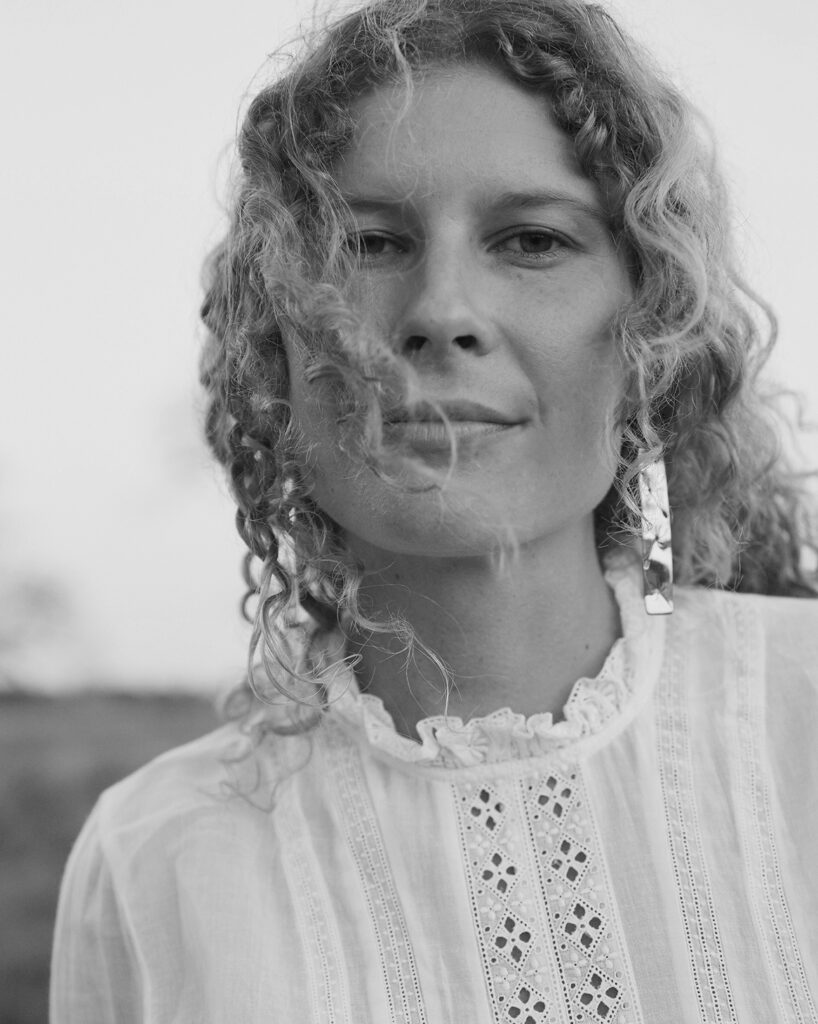 Louise Sommerlatte
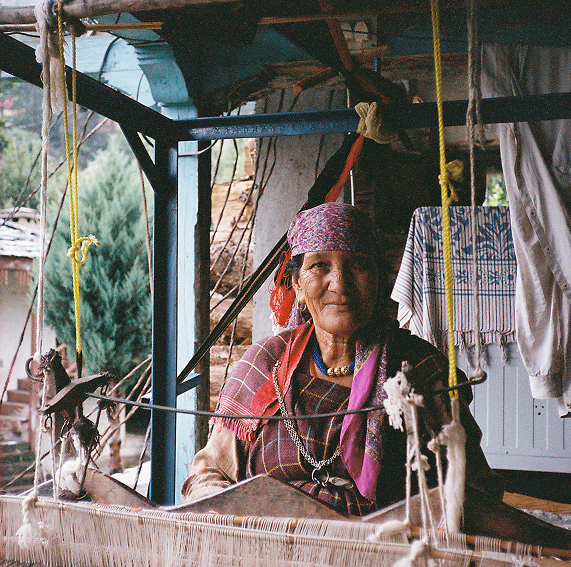
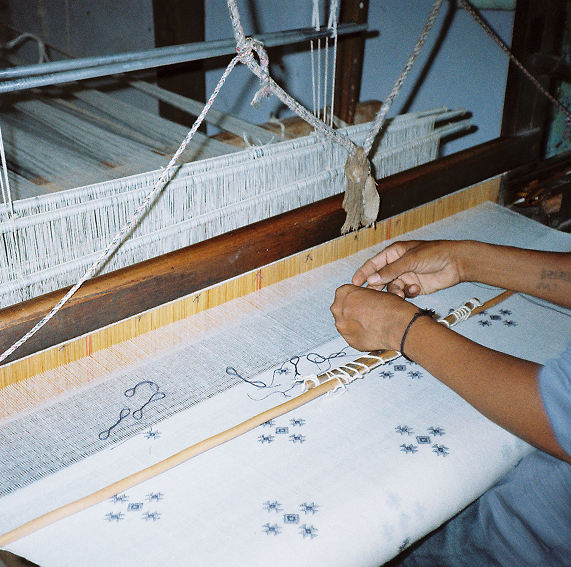
Her favourite piece shows how far that conversation can travel. The Indira Jacket is handwoven in the Himalayas in collaboration with Kullvi Whims, and each one takes a full month on the loom. The wool comes from the Gaddis, a Himalayan pastoral tribe. It is spun by hand, dyed with local plants and hand-loomed into the jacket, its motifs carrying the stories of the women who weave them. They are, in her words, “true labours of love.”
Working with natural fibres and botanical dyes means accepting what cannot be controlled. Colours shift from batch to batch with the season, the climate and the plants available. A single tone can take several attempts, and handspun or handwoven cloth is never perfectly even, irregularities Sommerlatte counts as “part of their beauty.” The harder problem is scale. Many of these techniques rely on highly skilled artisans and traditional methods “that simply cannot be rushed.”
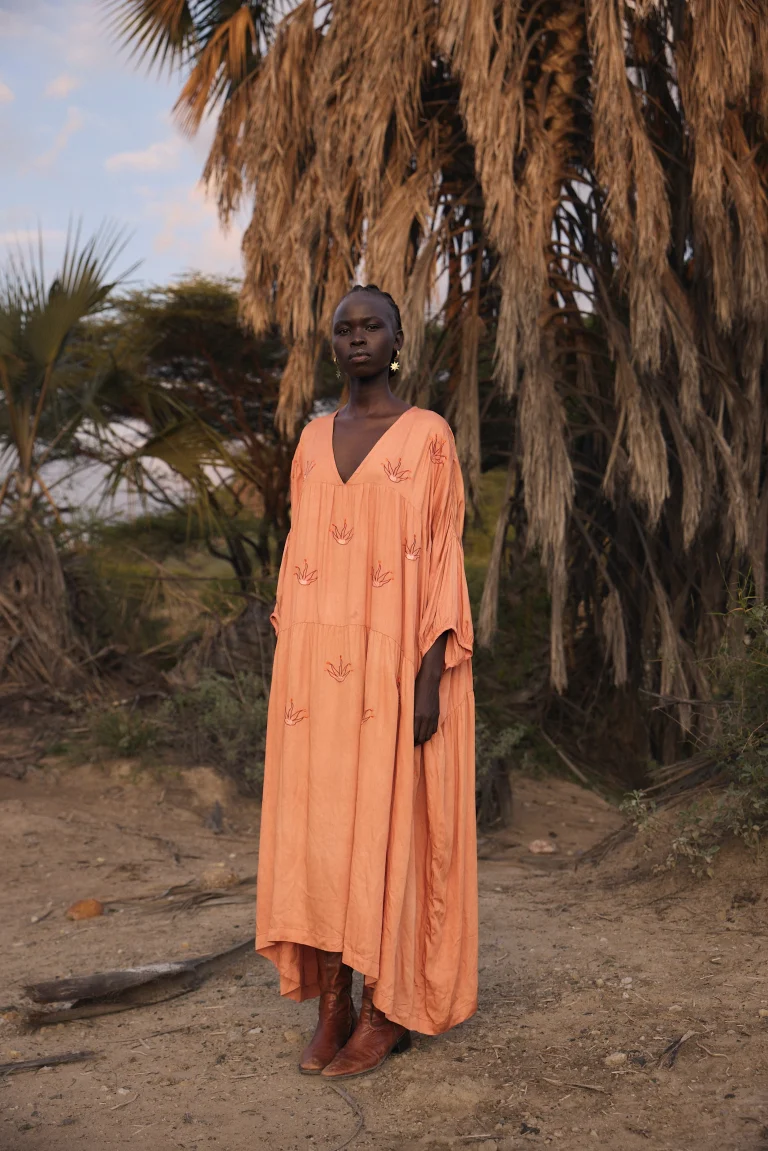
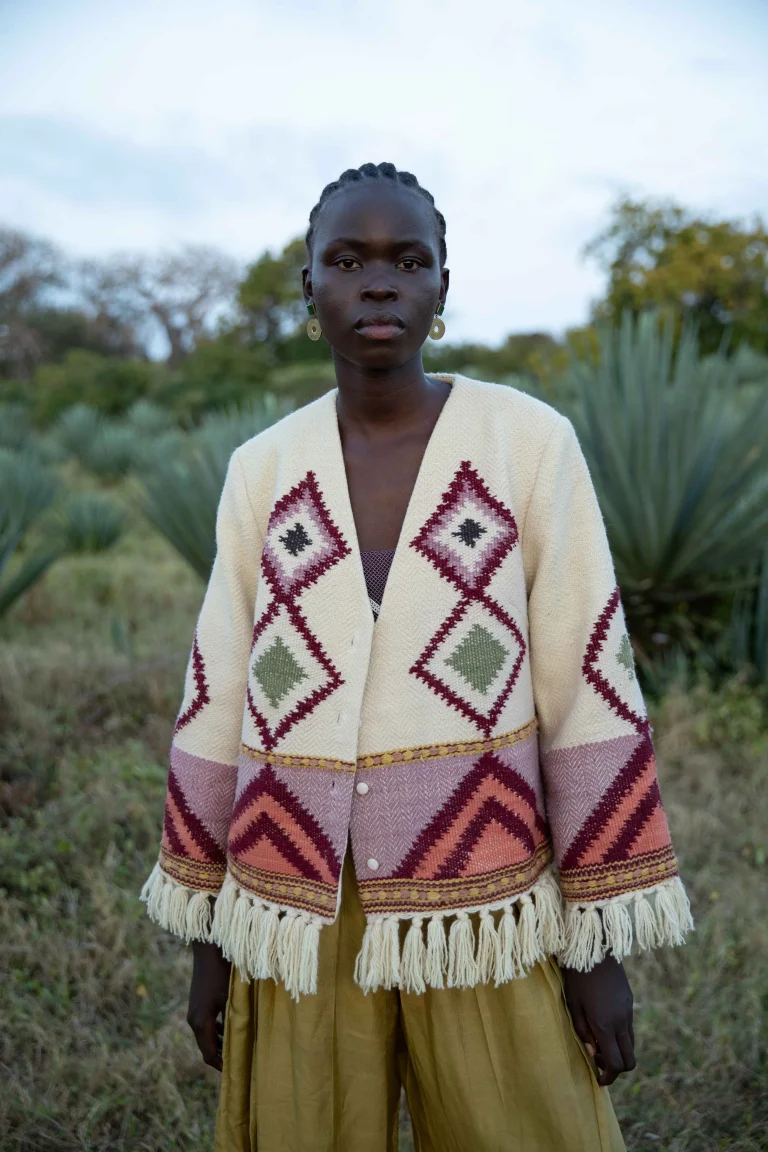
So Hamaji does not rush them. The label makes timeless pieces in small batches, builds long relationships with its makers and ignores fast-moving trends, an approach she says its customers and retailers understand. “The slower process itself becomes part of the value and identity of Hamaji,” she says. “We want our customers to understand the time, skill and human hands behind each piece.”
Over the next five years she wants Hamaji to grow “thoughtfully and intentionally,” refining its visual language season by season and finding more like-minded retailers around the world, without loosening its ties to the communities who make it. Her advice to young designers follows the same logic: “Don’t be afraid of evolving at your own pace.” For a nomad, it turns out, the point was never speed. It was always the journey.