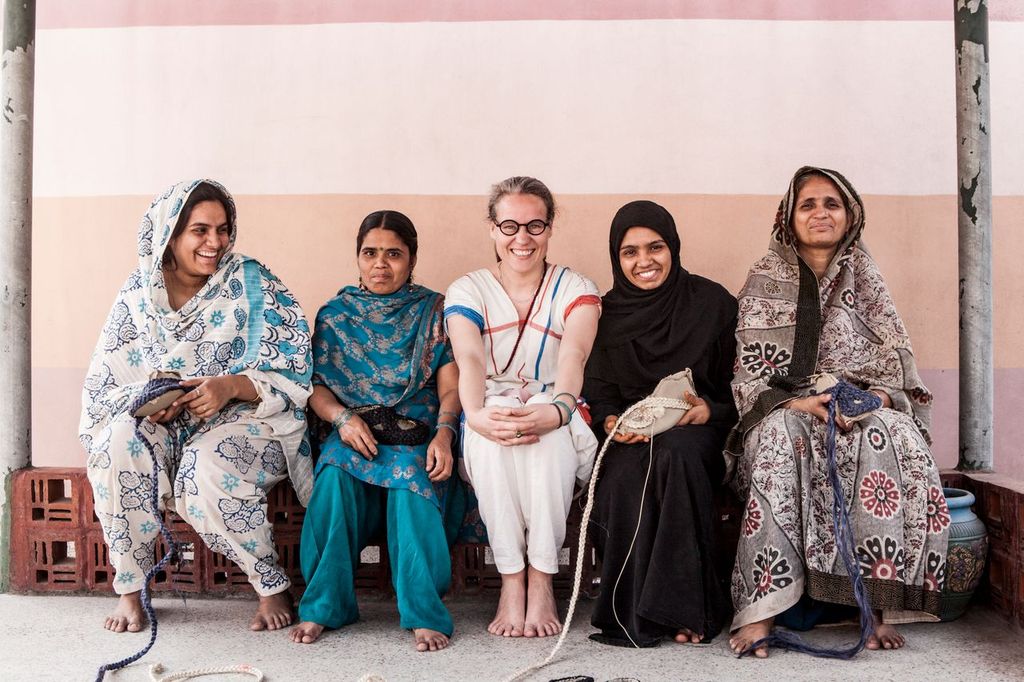
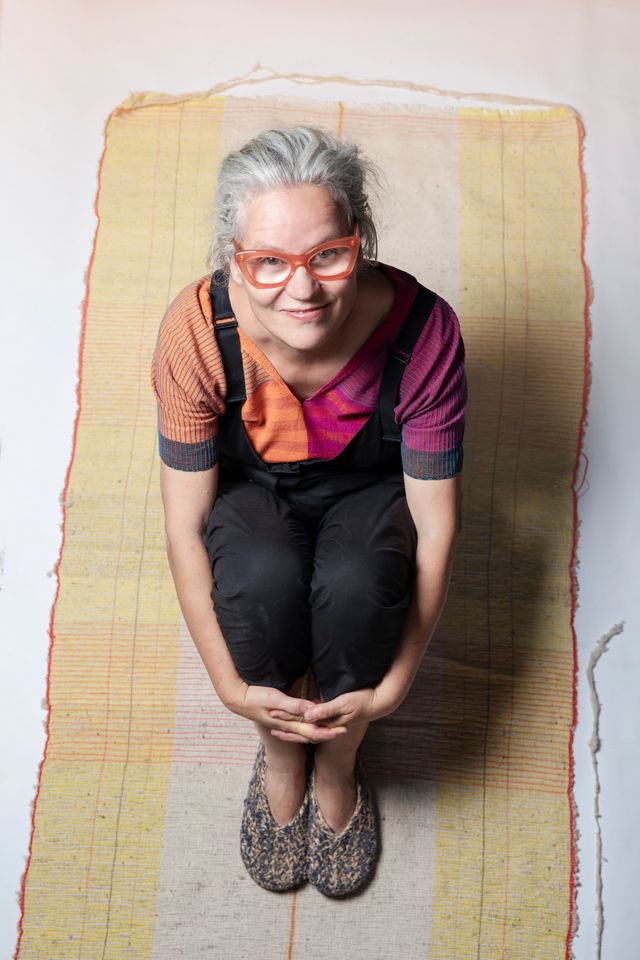
In the interior of Mallorca, far from the crowded coastline, there is a quiet, flat stretch of land called El Pla, small towns and fields where life still moves at a simple pace. It is there, since the late 1990s, that the German designer Irene Peukes has lived and worked. After eight years as a footwear designer at Camper, one of the island’s best known shoe brands, Peukes struck out on her own, and from that decision came the label that carries the name of the region itself, Pla.
The motto that has guided her from the start is almost disarmingly simple: more hands, less machines. “I have nothing against technology,” she says, “but we must never abandon what is made by hand, because it carries humanity, warmth, beauty and freedom within it.”
From Jute in Bangladesh to Cotton in Guatemala
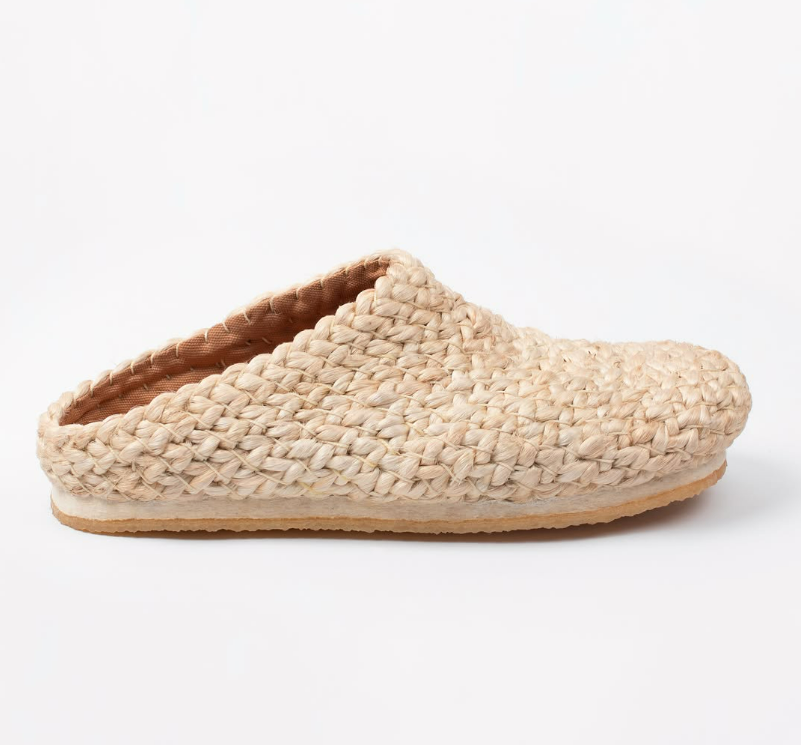
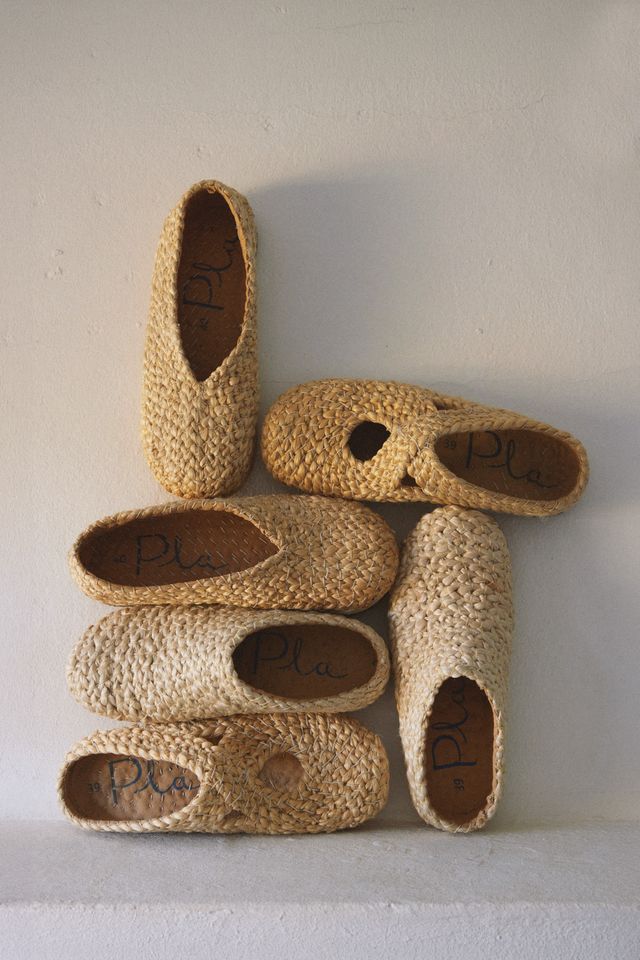
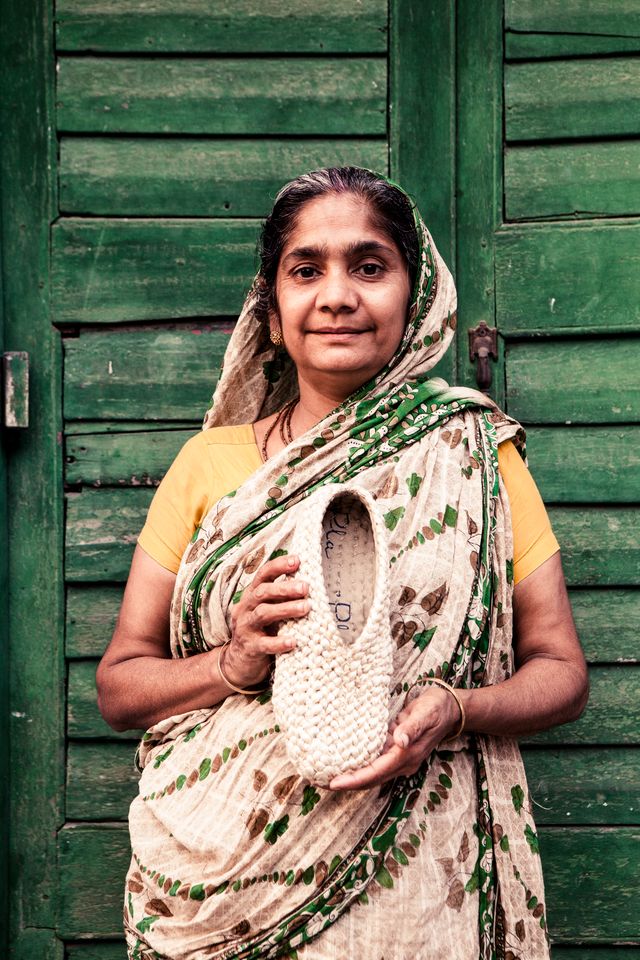
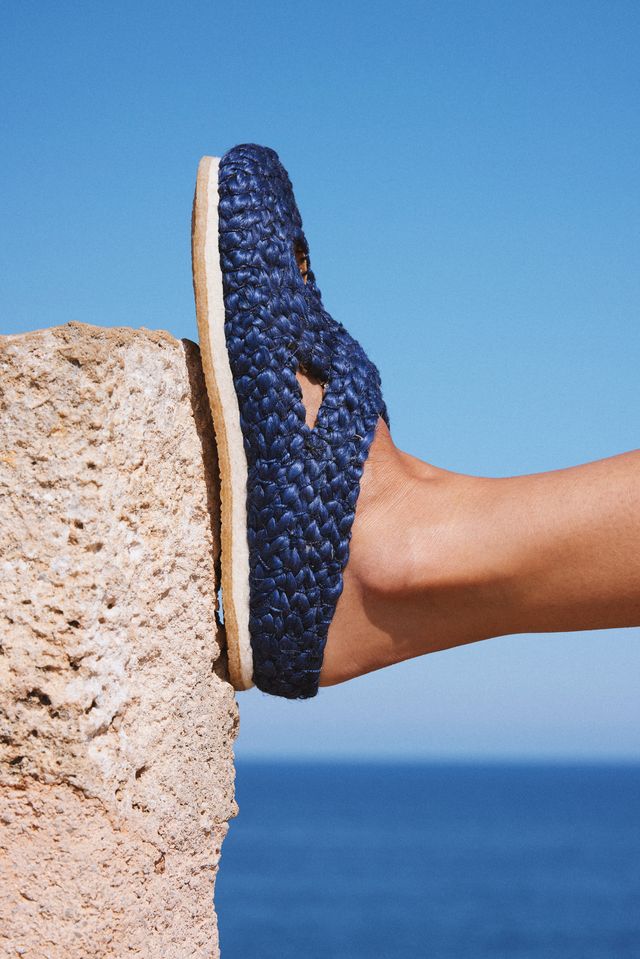
The Pla shoes, models like Illetes, Bonanova and Tramuntana, are handmade from jute fibre by craftswomen in Bangladesh. Jute is a resilient material and a vital source of income for many small farmers in the country, and each pair is built from a single continuous jute braid, which the artisans shape with quiet precision around a wooden last. Every coil of the braid is hand stitched to the one before it, then joined to a cotton lining that gives the inside of the shoe its comfort. The collaboration with these farmers and artisans is coordinated through Caritas Bangladesh, in accordance with the Fair Trade Code of Practice.
Only once the artisans have finished their work do the shoes travel to Mallorca for completion. There, the distinctive suau sole is created, a thick layer of natural textile and natural crepe that makes every step remarkably comfortable. The two halves of the shoe, the braided upper and the sole, are joined by local master shoemakers, who complete an entirely handcrafted process.
With the Pla sandals, the story continues in Guatemala, where cotton straps are handwoven by women artisans according to Peukes’s designs. The straps are highly durable and mould naturally to the foot, and in some styles can even be adjusted by hand for a more personal fit. Peukes works closely with the artisans, exploring their weaving techniques and folding them into her own creative vision. The women are organised into small working groups so they can work within their own villages alongside their children, earning an income for their families while balancing their work with their roles as mothers. The lightweight, anatomical sole is carved from pine wood, developed together with a skilled Mallorcan master carpenter, and finished with a base of natural crepe for flexibility and cushioning
One Fabric, One Garment
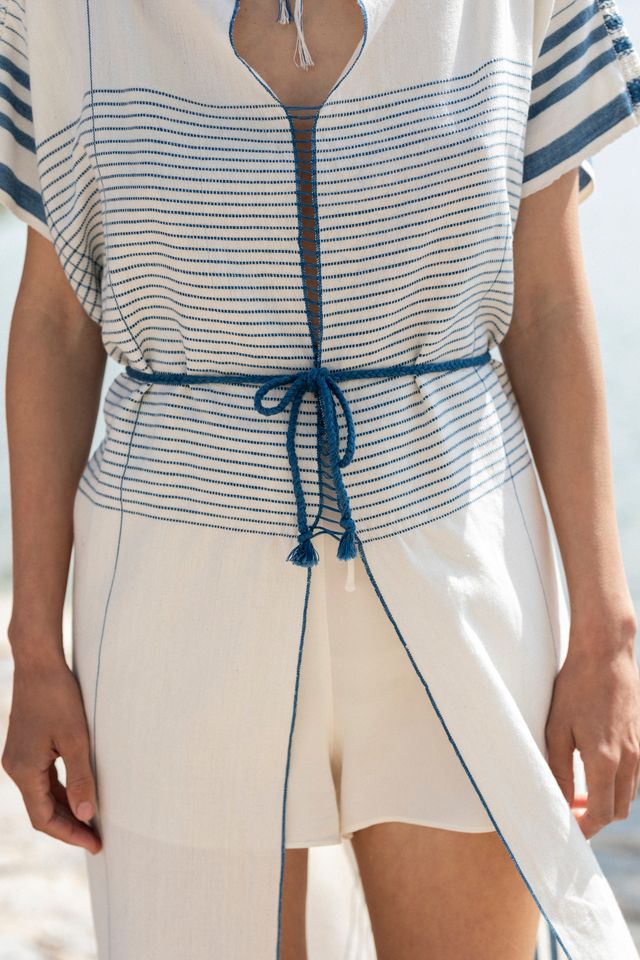
Beyond footwear, Peukes has run the Pla Dress collection since 2008, a line of dresses, blouses and accessories made from one hundred percent cotton, handwoven on traditional looms by a community of women artisans in Guatemala. Each garment is designed so that a single piece of woven fabric becomes an entire item of clothing, a zero waste approach from the very first cut. Every piece is individually numbered, a record of the singular, invaluable work of the artisan who made it. Peukes travels regularly to Guatemala to oversee production and hold the work to its standard.
Whether it is a shoe or a dress, Pla always returns to the same starting point, a contemporary design born from ancient craft techniques, stitched at every seam to the hands that made it.