
Words by Avishag Elkayam
Dust settles differently at an excavation, and so does time. When archaeologists worked through a modest terraced house in Pompeii in the 1950s, and again in the 1970s and 1980s, they found glass bottles, terracotta unguent jars and, in the soil of the garden, pollen: roses, violets, lilies. It took time to understand what they were looking at. This was not the debris of an ordinary household but a working flower garden and perfume workshop, still in production when Vesuvius erupted in AD 79. Today it is known as the House of the Garden of Hercules, after a marble statuette found in its shrine, and also as the House of the Perfumer.
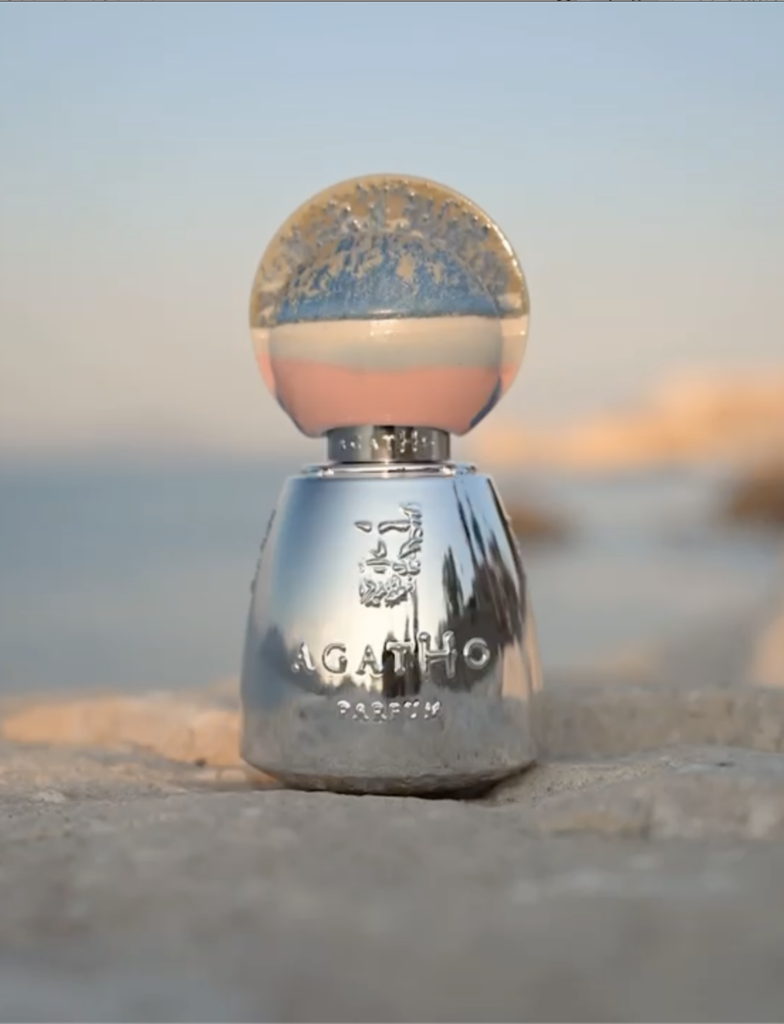
In the telling of Agatho Parfum, the workshop belonged to a master perfumer named Agatho, who composed scent for the aristocracy of Rome. It is the house’s founding story, and it explains everything Agatho went on to make.
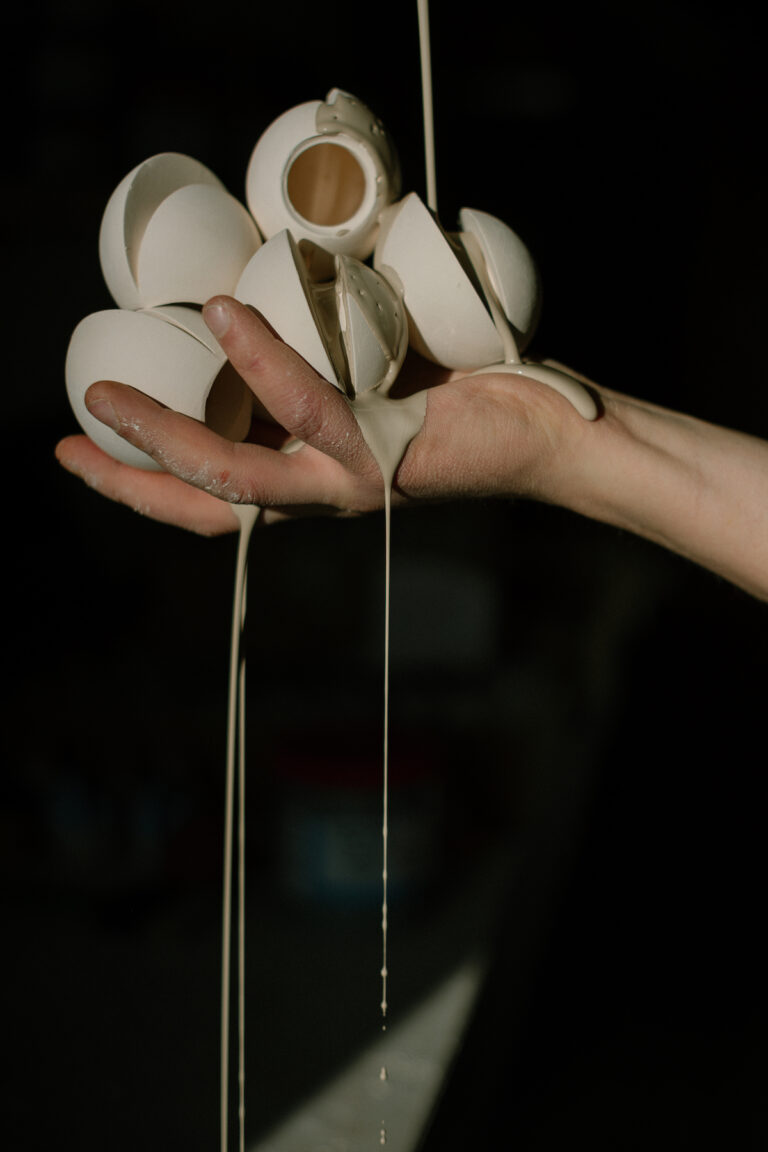
Agatho did not begin with a fragrance. It began in 2016 with Caminus Capodimonte, a project rooted in the porcelain tradition Naples has practised since the 1740s. The house itself followed in 2018, founded by Giovanni Rignante, who came from fashion, and Alessandro Bianchi, an architect who now leads it as CEO and creative director. Their instinct was architectural before it was olfactory: a scent should never stand alone. It is one element of a larger structure that includes the bottle, the porcelain cap that seals it and the case that carries it home.
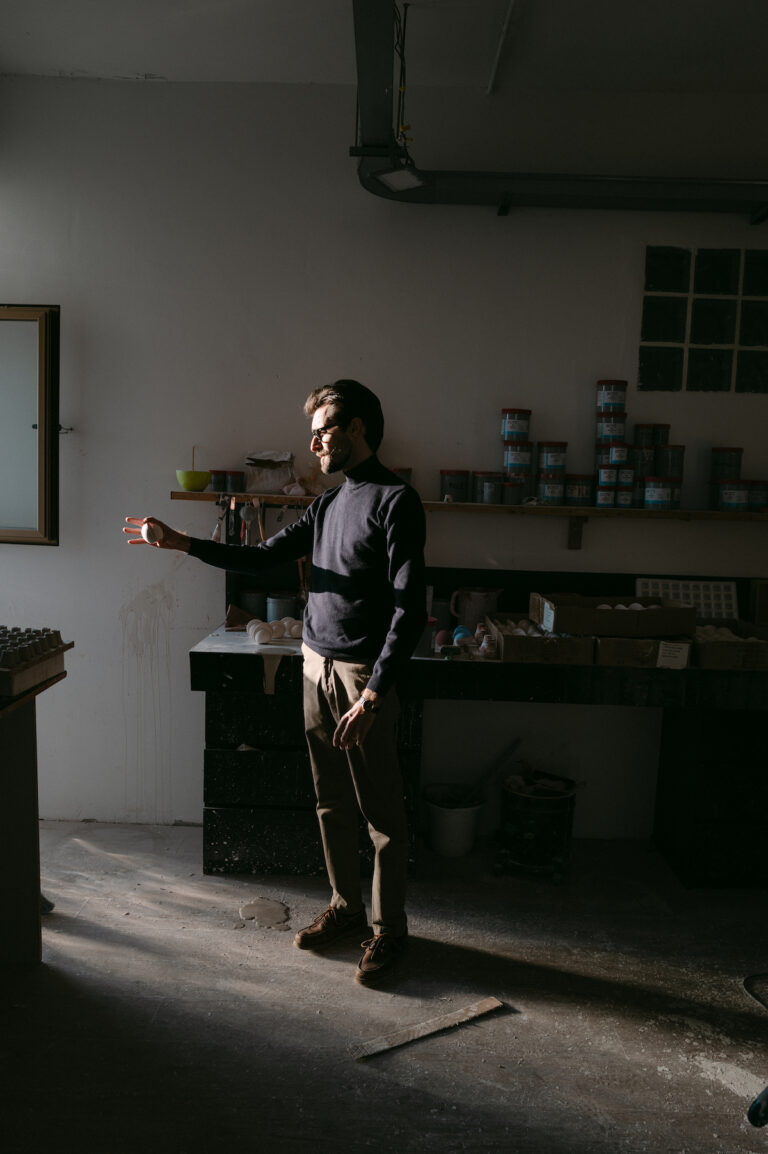 Alessandro Bianchi
“Agatho was born out of a desire to translate Pompeii’s olfactory heritage into the present,” Bianchi has said. The porcelain carries a history of its own: the Royal Factory of Capodimonte was founded by Charles of Bourbon, the same king under whom the excavation of Pompeii began.The same logic shapes the fragrances themselves. Each one starts with research rather than inspiration. A place, an event or a myth is studied until a single emotion rises to the surface: freedom, desire, courage and the composition is built outward from there. In the Pompei collection, the starting point might be one of the city’s great houses. Or it might be a law.
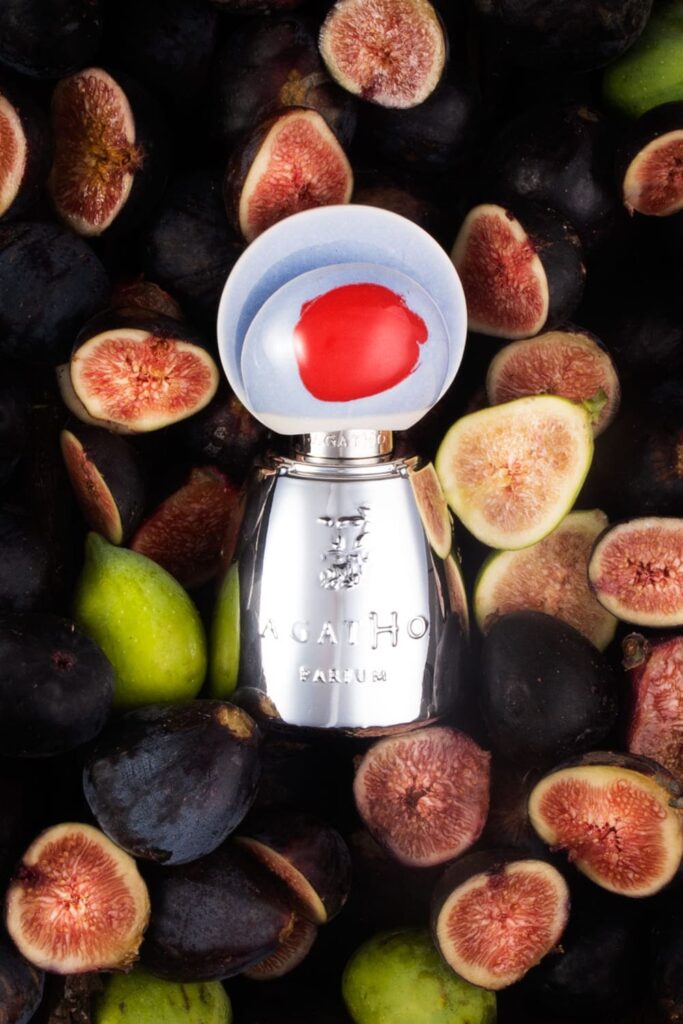
The Lex Oppia was passed in 215 BC, during the war against Hannibal, and limited how much gold Roman women could own and how openly they could display their wealth. Twenty years later, in 195 BC, women filled the streets of Rome to demand its repeal, and won. Agatho’s bestseller is named for that year. 195 B.C. opens with fig leaf, pomegranate, bergamot and mint, moves into fig, cardamom and jasmine, and settles into cashmere wood, black tea, incense, cedar and patchouli. Brightness, then richness, then depth: freedom reclaimed, told in three acts.
Around it, the rest of the Pompei collection reads like a map of the city. Castiamanti draws on the House of the Chaste Lovers, with saffron and myrtle giving way to honey and rose. Fauno, after the House of the Faun, is built on tobacco and tuberose. Rossopompeiano borrows the deep red for which Pompeii is known. Portamarina recalls the gate that faced the sea, and Giardinodiercole returns to the Garden of Hercules, where the story began. Vettii belongs to the house of two brothers, formerly enslaved, who rose to become among the wealthiest merchants in the city.
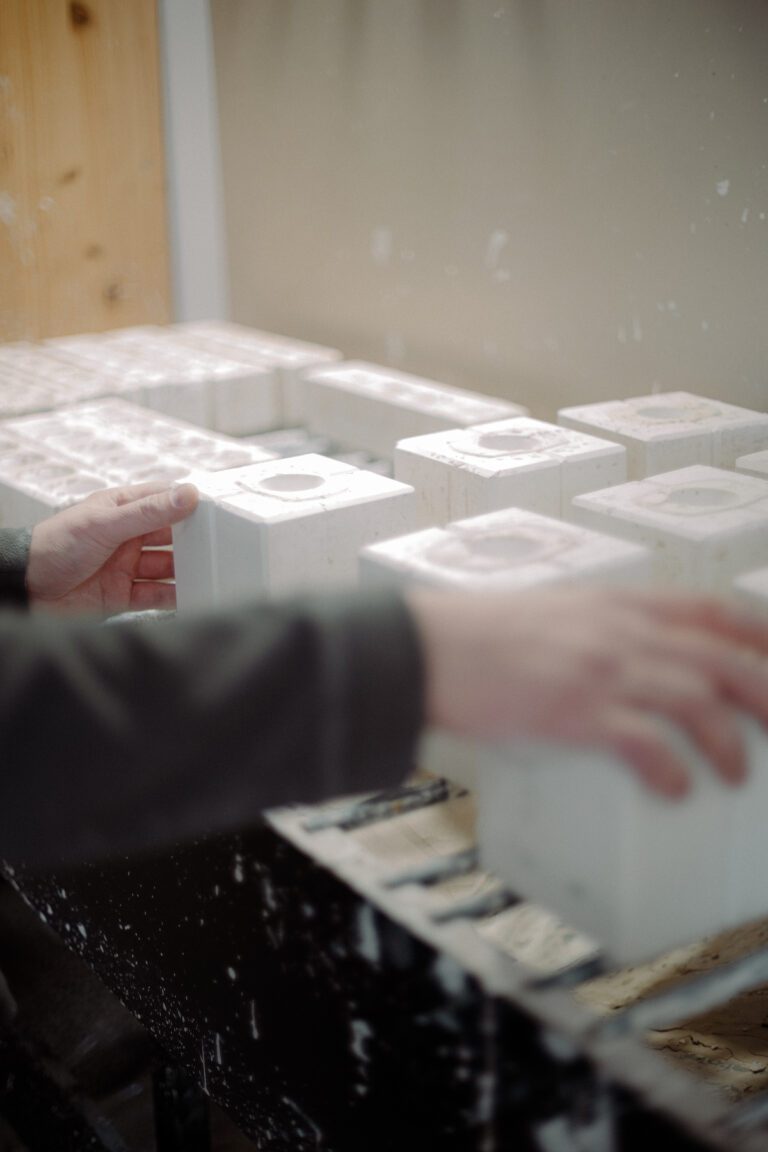
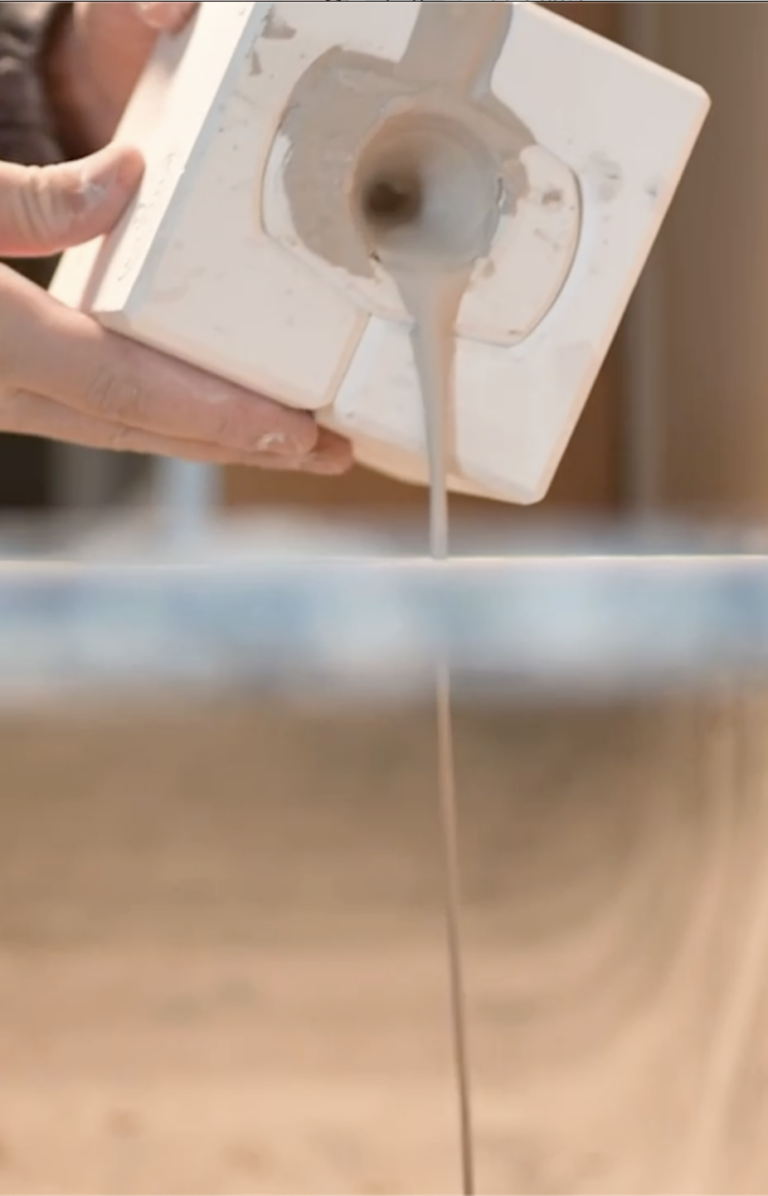
Agatho makes no claim to have recreated what Roman perfume smelled like. What interests the house is what these stories still carry, and what they might become in the hands of someone paying close attention now.The bottles ask for that same close attention. Each is crowned with a sculptural porcelain cap, shaped and hand-painted in the Capodimonte tradition, then set in a silk-lined wooden case, sealed in wax and marked with imagery drawn from Pompeian frescoes. Opening one feels closer to unwrapping a small work of art than to unboxing a fragrance. Craft here is not decoration added at the end. It is load-bearing, tying the house to a porcelain tradition nearly three centuries old, just as its scents are tied to the botanical record of Pompeii. In an industry that rewards a recognizable silhouette and a fast release calendar, Agatho has chosen the slower path.

That patience has carried the house beyond its birthplace. Pompeii remains the origin, but it is no longer the only world Agatho inhabits. The Olympia collection turns to the ancient Games, with vetiver as its central material, across scents that trace preparation, effort, rest and release. Its most striking chapter is Cinisca, named for Cynisca of Sparta, who in 396 BC became the first woman recorded as an Olympic victor, as owner of a winning chariot team at Games where women could not compete in person. Rendered in leather, vetiver and musk, it is a composition about defiance more than triumph.Agatho was never trying to rebuild the past exactly as it was. Its question is harder to answer: what happens when something buried for centuries is allowed a second life?