In 1999, Gregory MacCarthy, a 38-year-old Canadian, flew to Ghana to study traditional drumming with the Ga people of the Greater Accra Region. He planned to stay a few months, sweat over a drum and head home. Ghana had other plans.
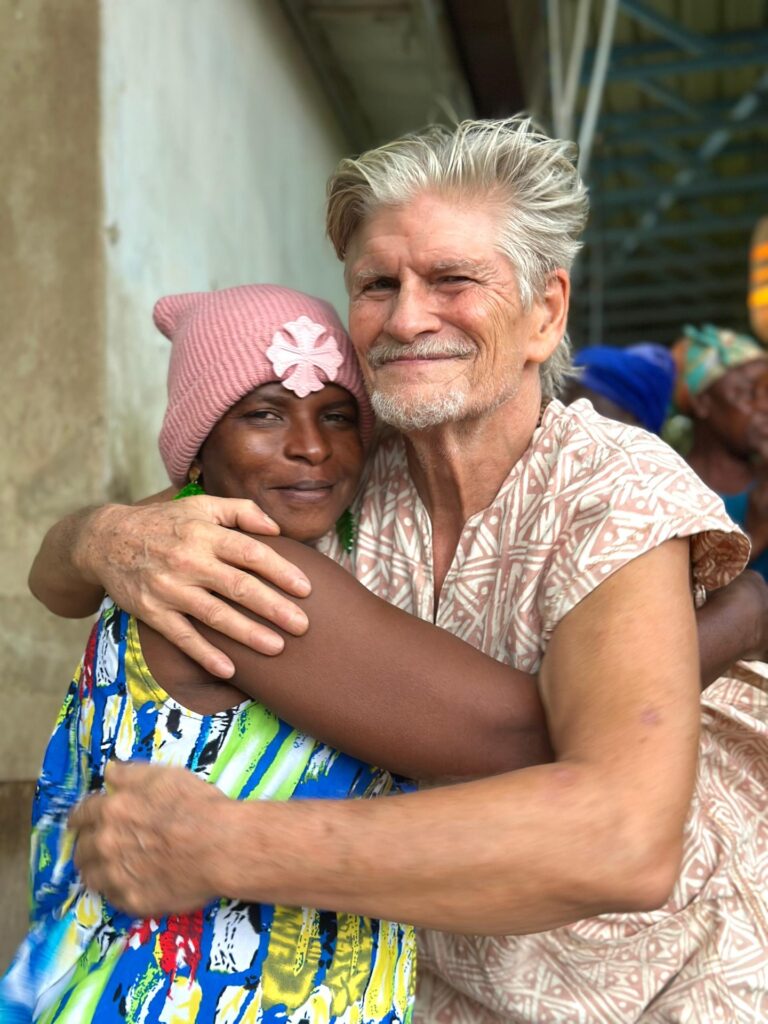
When it came time to leave, he had only a few dollars to his name. He spent them on local beads and cloth, thinking he might sell them back in Canada. It was a small, slightly eccentric idea, and it became the seed of something much larger. The venture that grew from it, first called Swingpad International Imports, would eventually become The Baba Tree Basket Company. Along the way, MacCarthy acquired a Gurunsi name: Ayinedollah, “God follows him.”
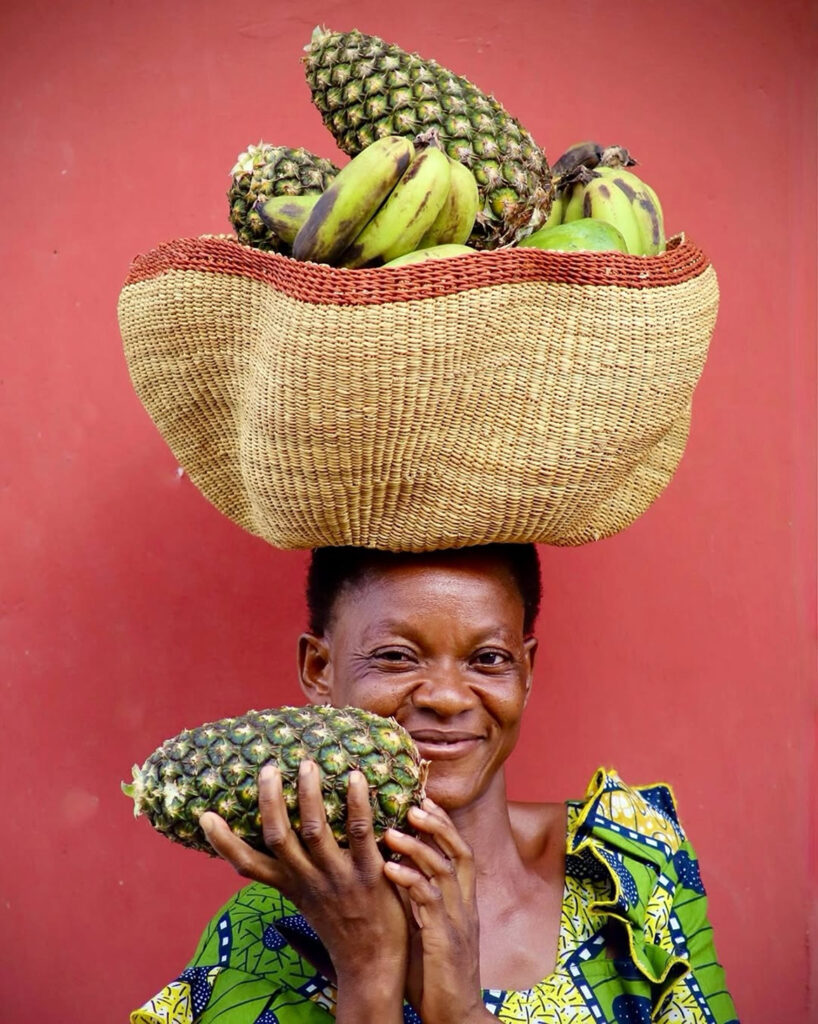
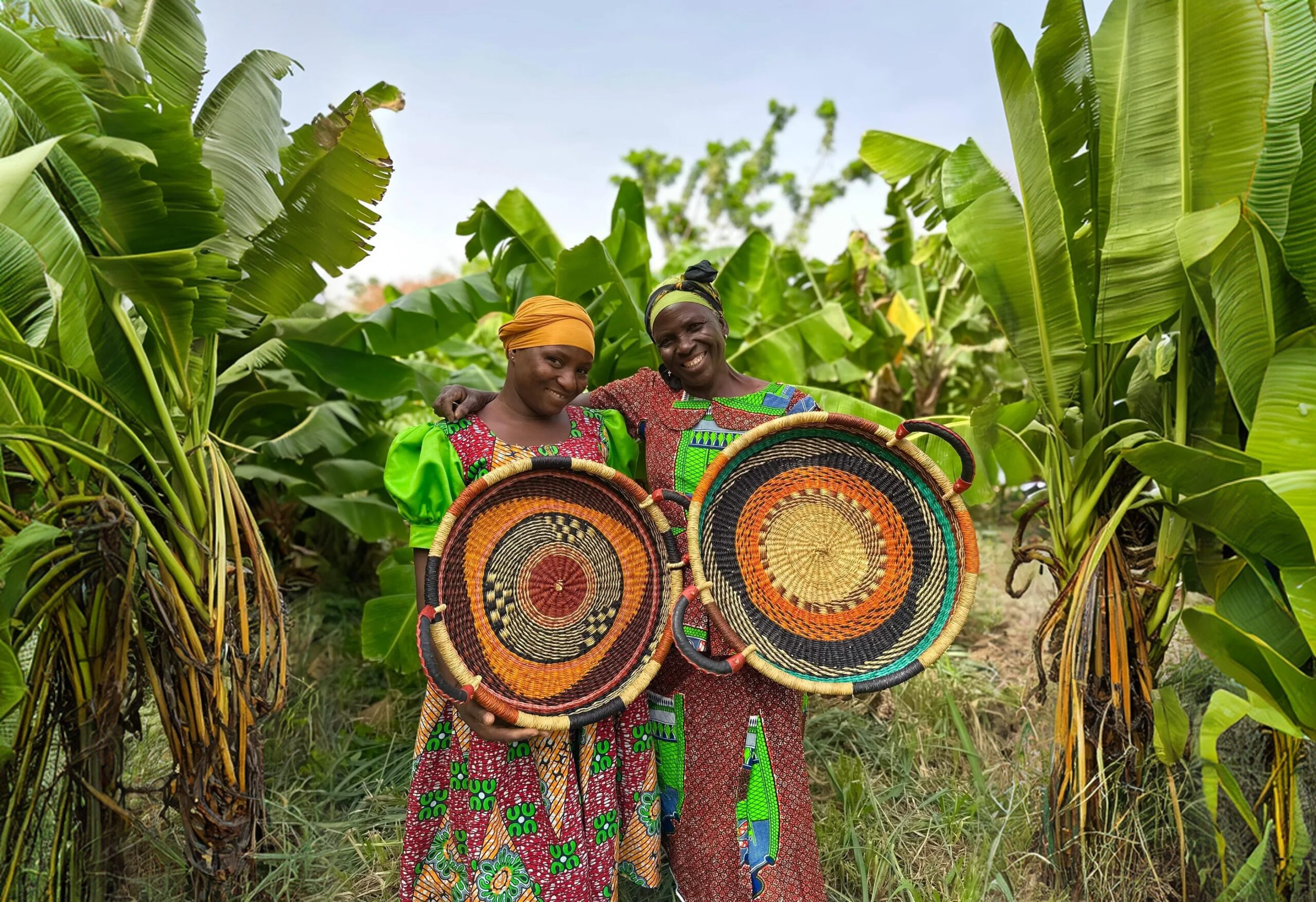
Bolgatanga, in Ghana’s Upper East Region, has long been defined by its weaving. Baba Tree collaborator Bettina McIlwraith calls it “the city of baskets,” and it’s easy to see why. Here the Gurunsi people have practised their weaving technique for generations, working with elephant grass that is sun-dried and hand-dyed in vivid colours. Most of the grass is grown in southern Ghana, but the dyeing and weaving happen here, within the community.
Baba Tree put down roots in the middle of this tradition and has spent more than two decades helping to sustain it. Every day, dozens and sometimes hundreds of weavers (men, women and students) arrive at the company’s compound, many of them collaborators of long standing.
Beyond the basket
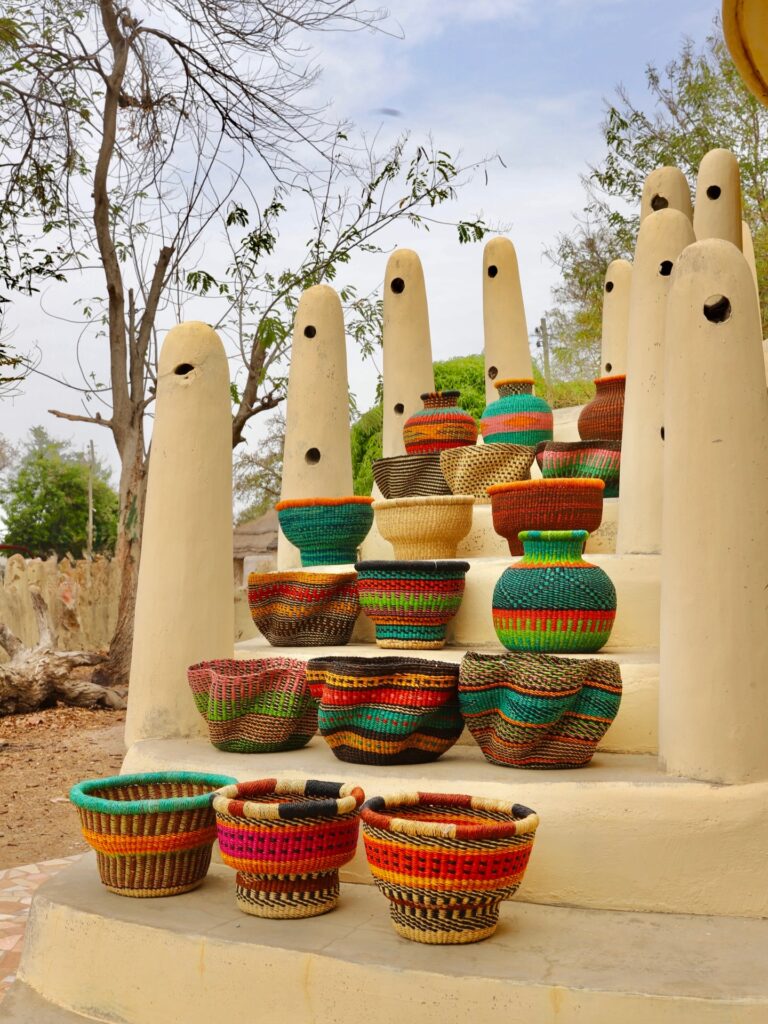
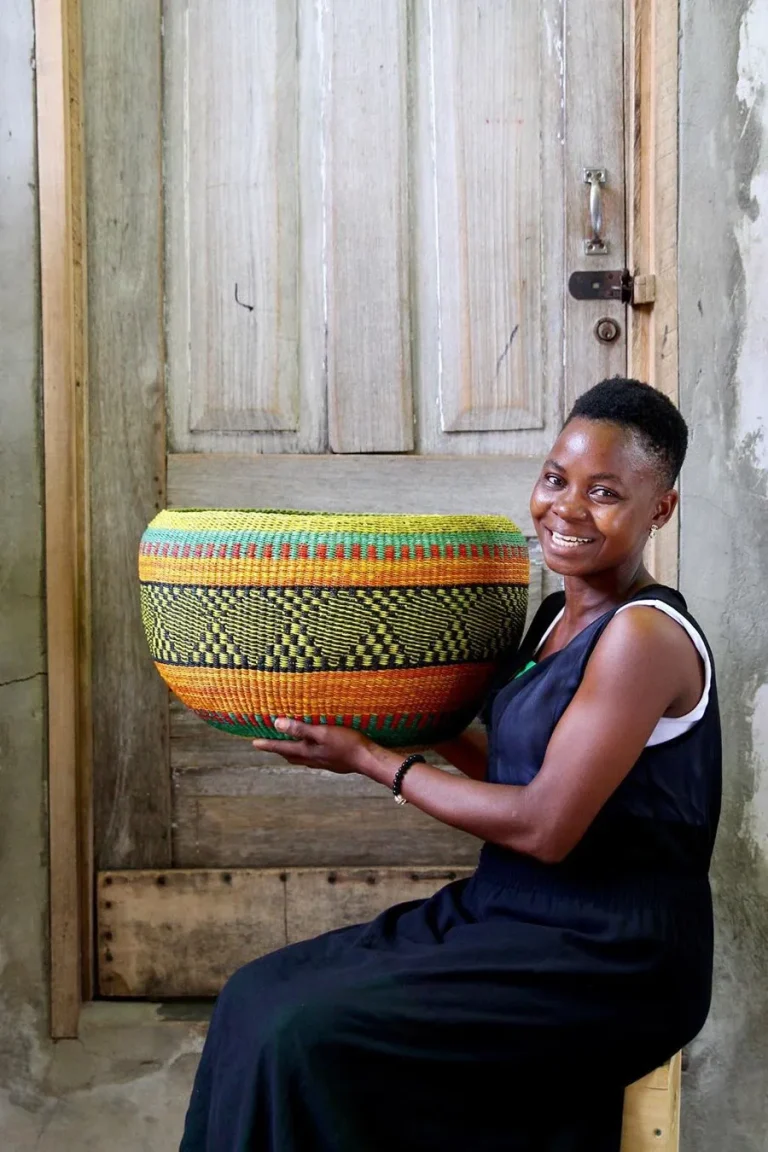
What began with colourful market baskets has grown into a full design brand. Today Baba Tree produces sculptural woven lampshades, laundry baskets, storage pieces and objects for the home. This work appears in boutiques and design publications around the world. The aesthetic is anything but “craft fair”: it is deliberate and contemporary, and increasingly sought after by interior designers looking for pieces with a genuine story behind them.
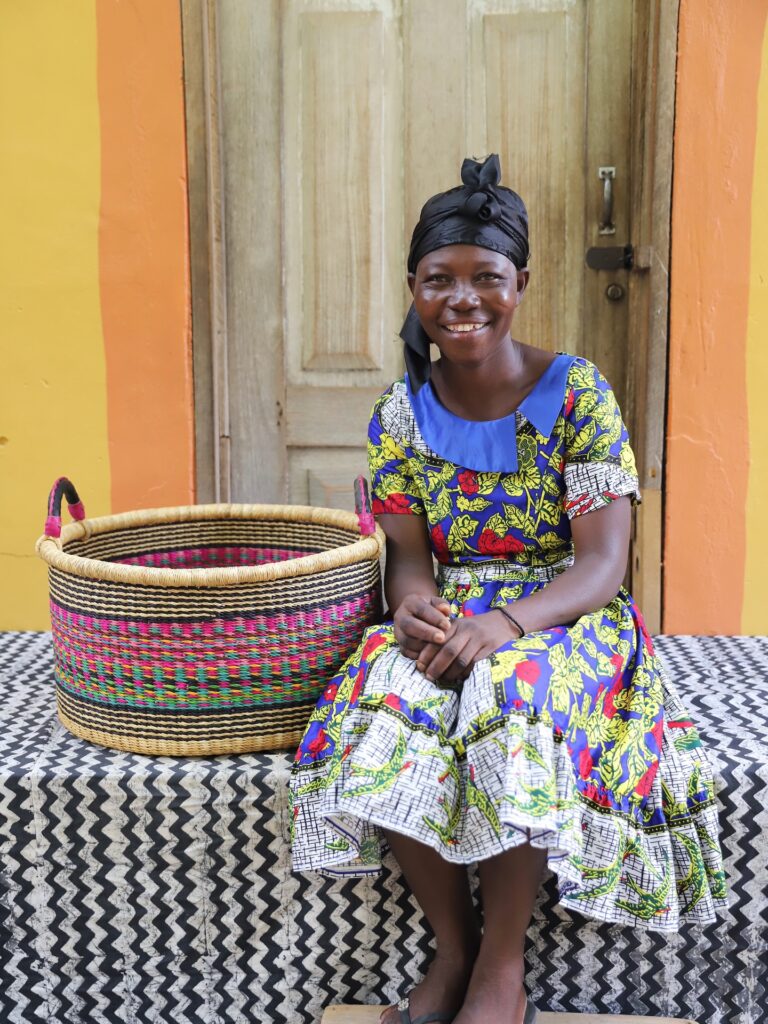
The company shows that a brand need not choose between doing well and doing good. In a market flooded with vague sustainability claims, Baba Tree is specific: it names its weavers, photographs them with their work and ships that work to living rooms across the world. Weavers are paid when they complete a basket. When it sells, they receive an additional commission of 5 to 12.5 percent of the retail price, depending on the piece. What customers are really buying is trust, and in an age of greenwashing, that is rarer than it sounds.