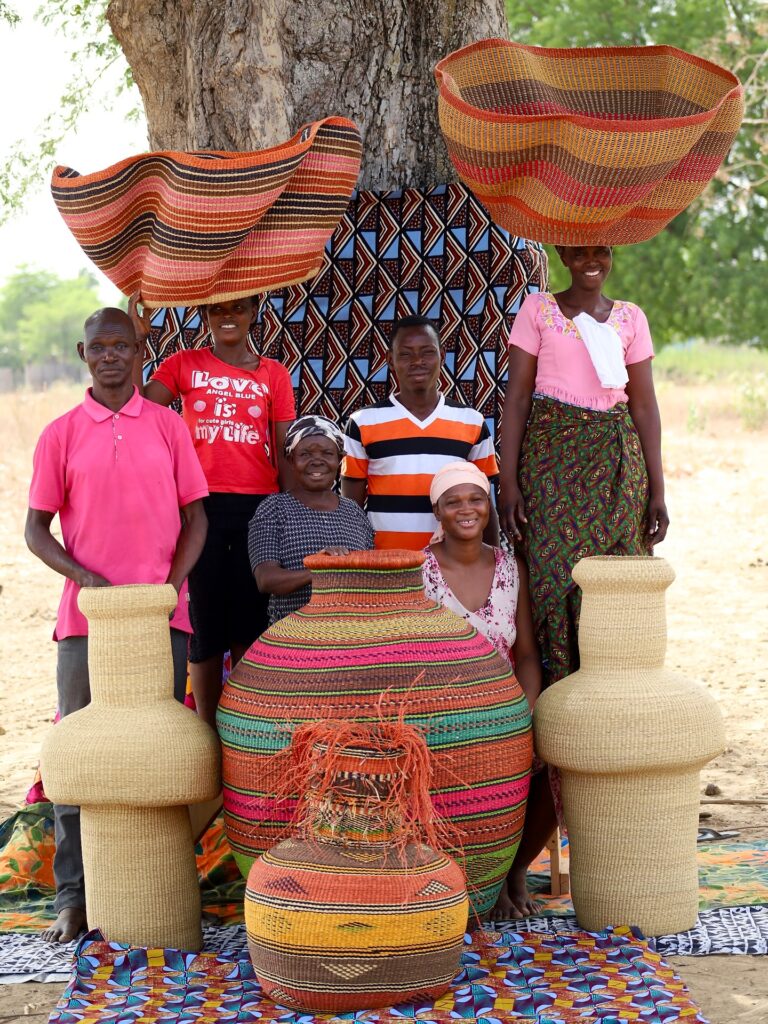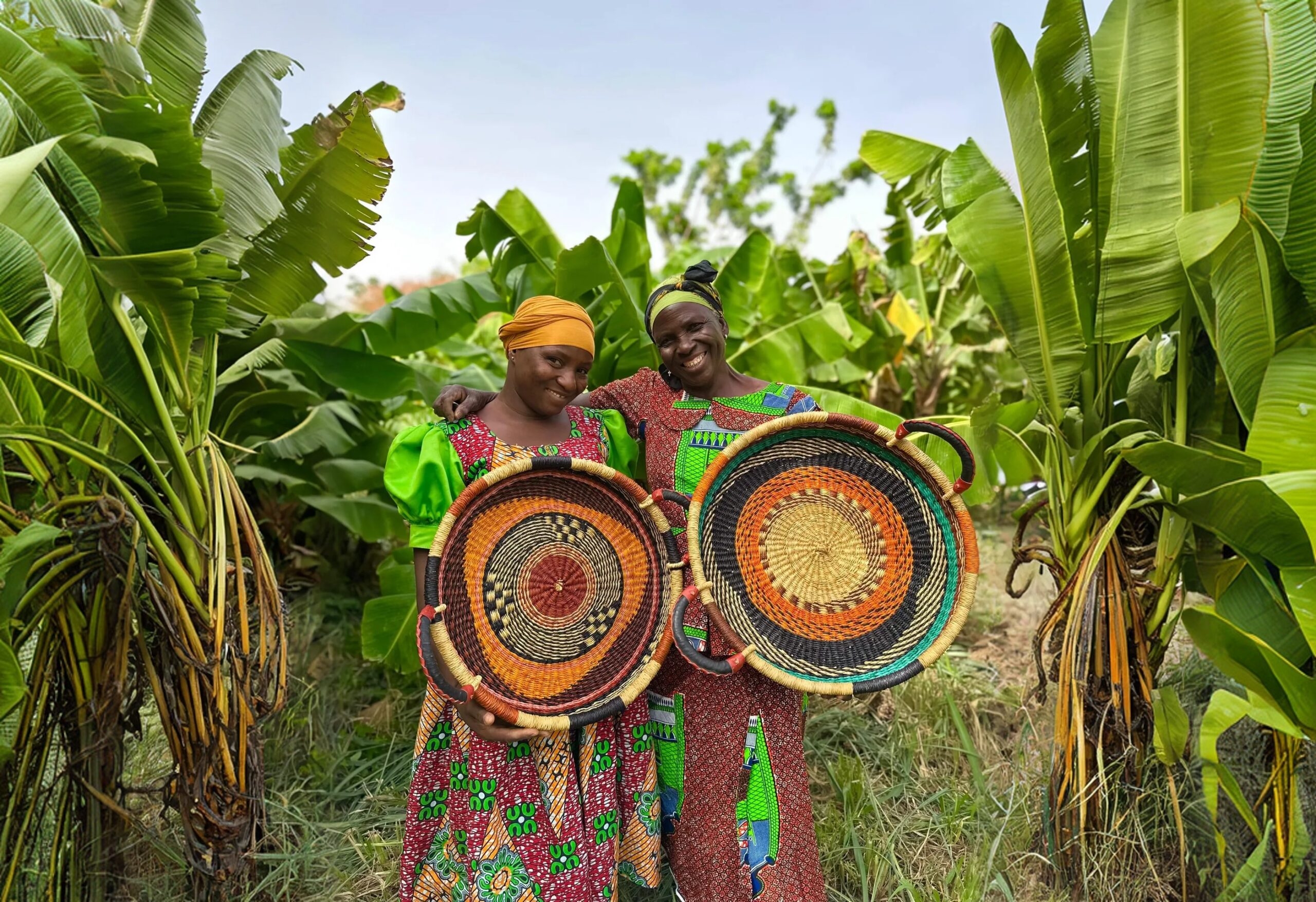
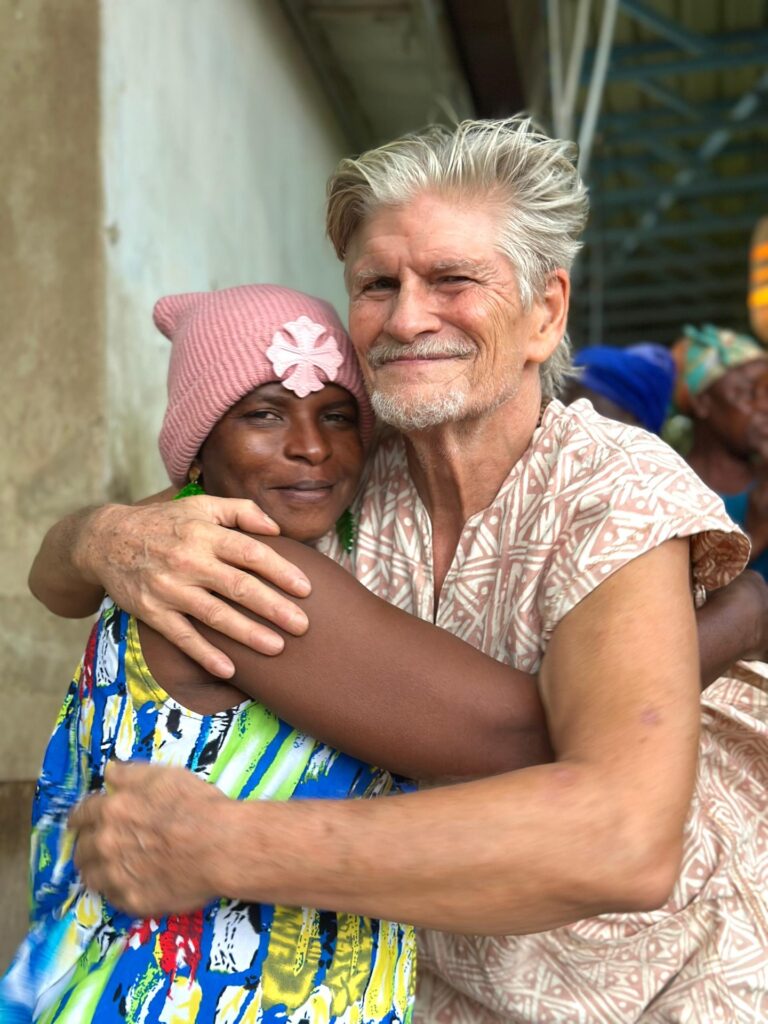
It started with a drum. In 1999, a young Canadian musician named Gregory MacCarthy, known by his nickname “Ayinedollah,” flew to Ghana to study traditional drumming with the Ga tribe in the Greater Accra Region. He planned to stay a few months, sweat over a drum, and head home. But Ghana didn’t let him go that easily. When it came time to leave, he had a few dollars left in his pocket. He bought local beads and cloth, thinking he’d sell them back in Canada, a small, quirky idea that would turn out to be the beginning of something far larger. The company born from that moment, originally called the dubiously named “Swingpad International Imports,” became, over the years, The Baba Tree Basket Company.
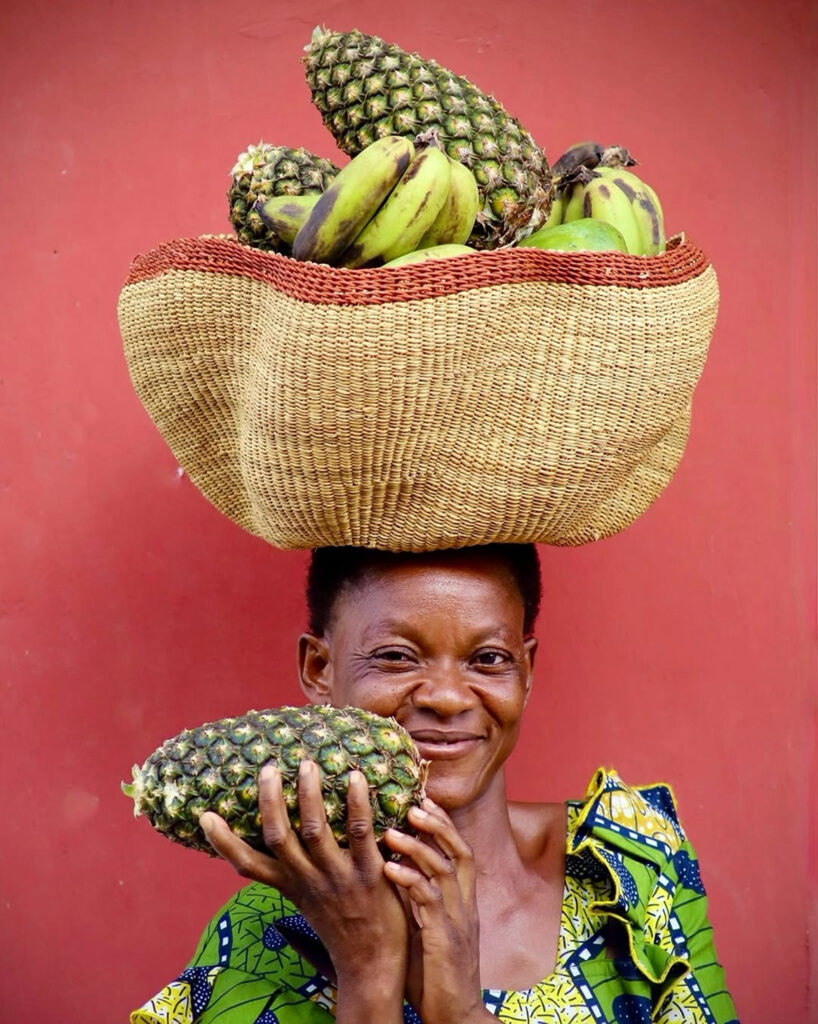
"The city of baskets"
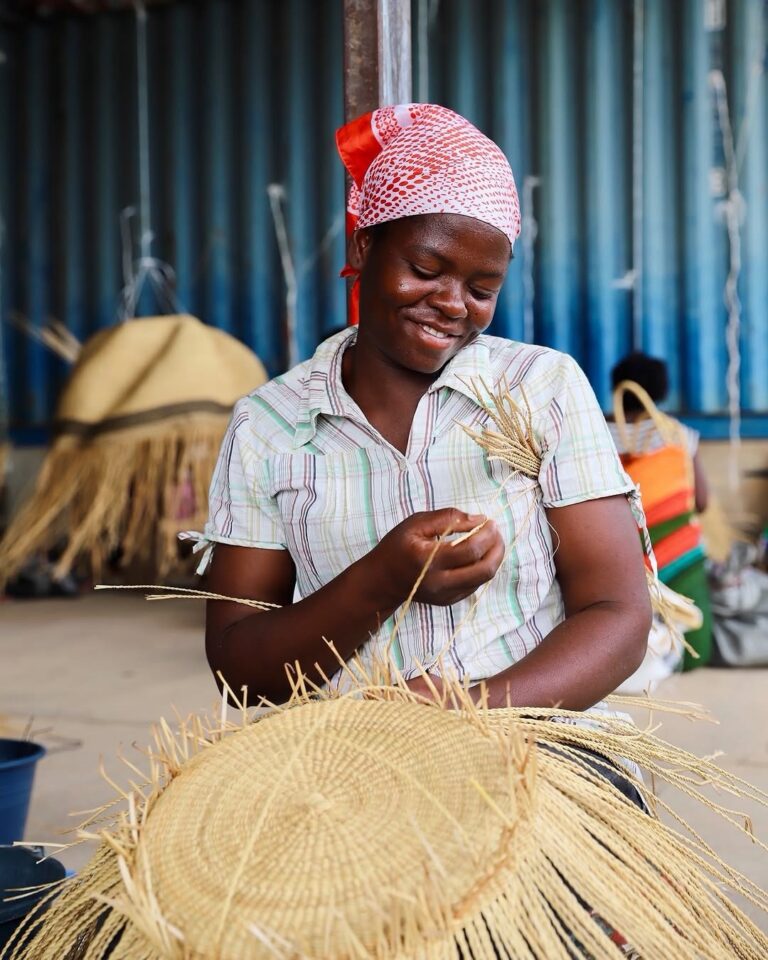
Bolgatanga, in Ghana’s Upper East Region, is no ordinary town, locals call it “the city of baskets.” This is where the Gurunsi people have practiced a time-honoured weaving technique for generations, using elephant grass harvested from the land around them, sun-dried, then hand-dyed in vivid colours. The entire process, from field to finished basket, happens within the community.
Baba Tree planted its roots right in the middle of this tradition and has spent over two decades making sure it doesn’t disappear. Hundreds of weavers, men, women, and students, arrive at the company’s compound every day, many of them long-standing collaborators who have been part of the Baba Tree family for years.
Fair trade, for real
Baba Tree does something unusual: every weaver receives not just an upfront payment for their work, but also a 5,15% commission on the final retail price of each basket sold. It’s a rare model in the industry, one that gives artisans a share of what their basket is actually worth on the global market, not just what it’s worth in Bolgatanga.
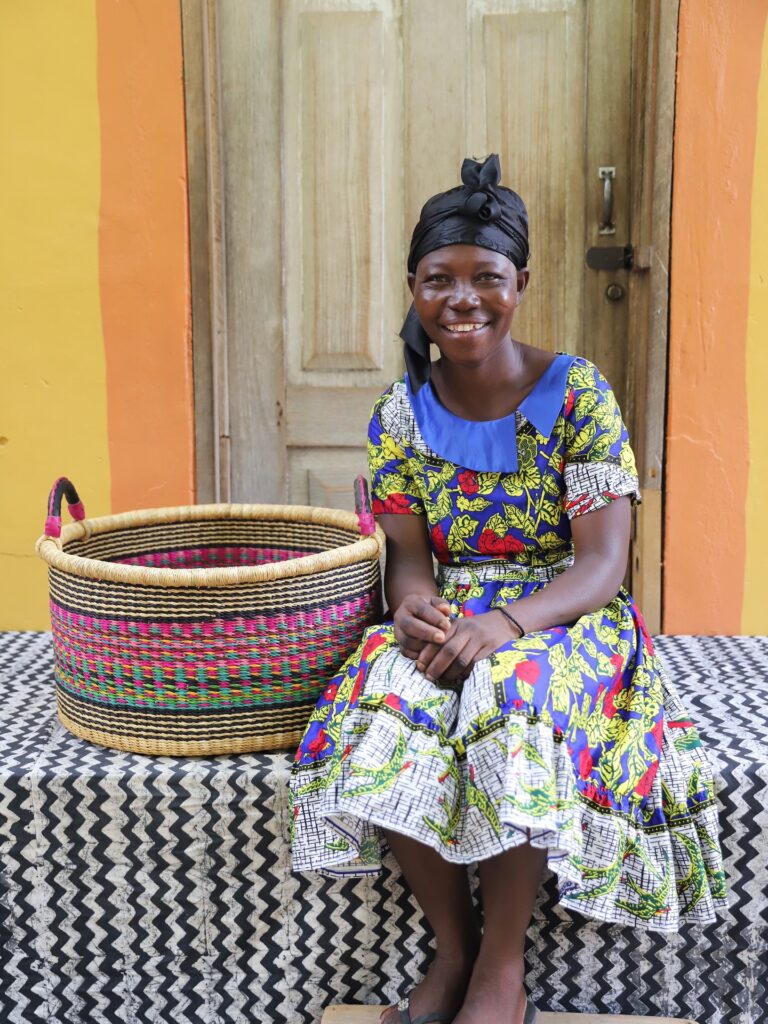
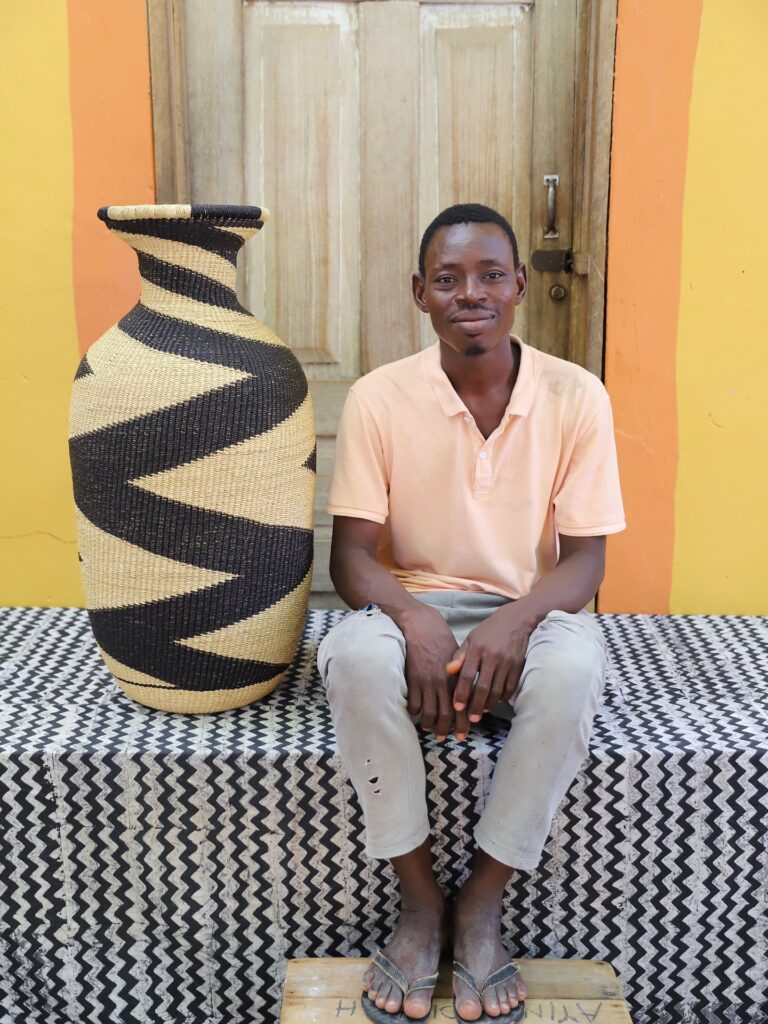
In every product photo on the website, the weaver holding the basket is the person who made it, a small but powerful act of recognition. The company calls itself the fairest trader in Bolgatanga, and given the loyalty of weavers who have stayed with them for years, that claim feels like far more than a marketing line.
Beyond the basket
What began as colourful market baskets has grown into a full design brand. Baba Tree now produces sculptural woven lampshades, laundry baskets, storage pieces, and home décor objects, items that appear in boutiques and design publications worldwide. The aesthetic is anything but “craft fair”: it is deliberate, contemporary, and increasingly sought after by interior designers looking for pieces with a genuine story behind them.
Baba Tree is proof that a brand does not have to choose between doing well and doing good. In a market flooded with vague sustainability claims, Baba Tree does the opposite: it names its weavers, photographs them, pays them twice, and ships their craft to living rooms across the world. What people are really buying is trust, and in an age of greenwashing, that is rarer than it sounds.
Ships worldwide from Bolgatanga, Upper East Region, Ghana · babatree.com