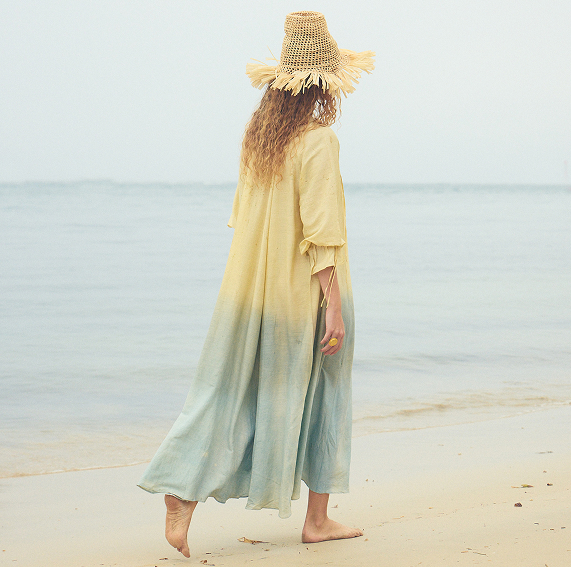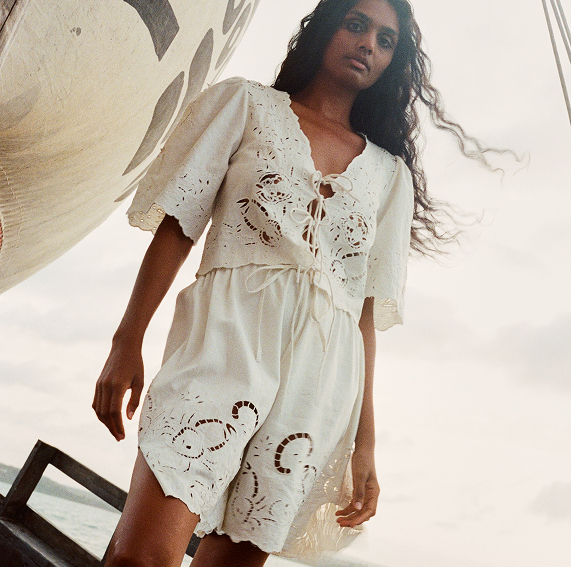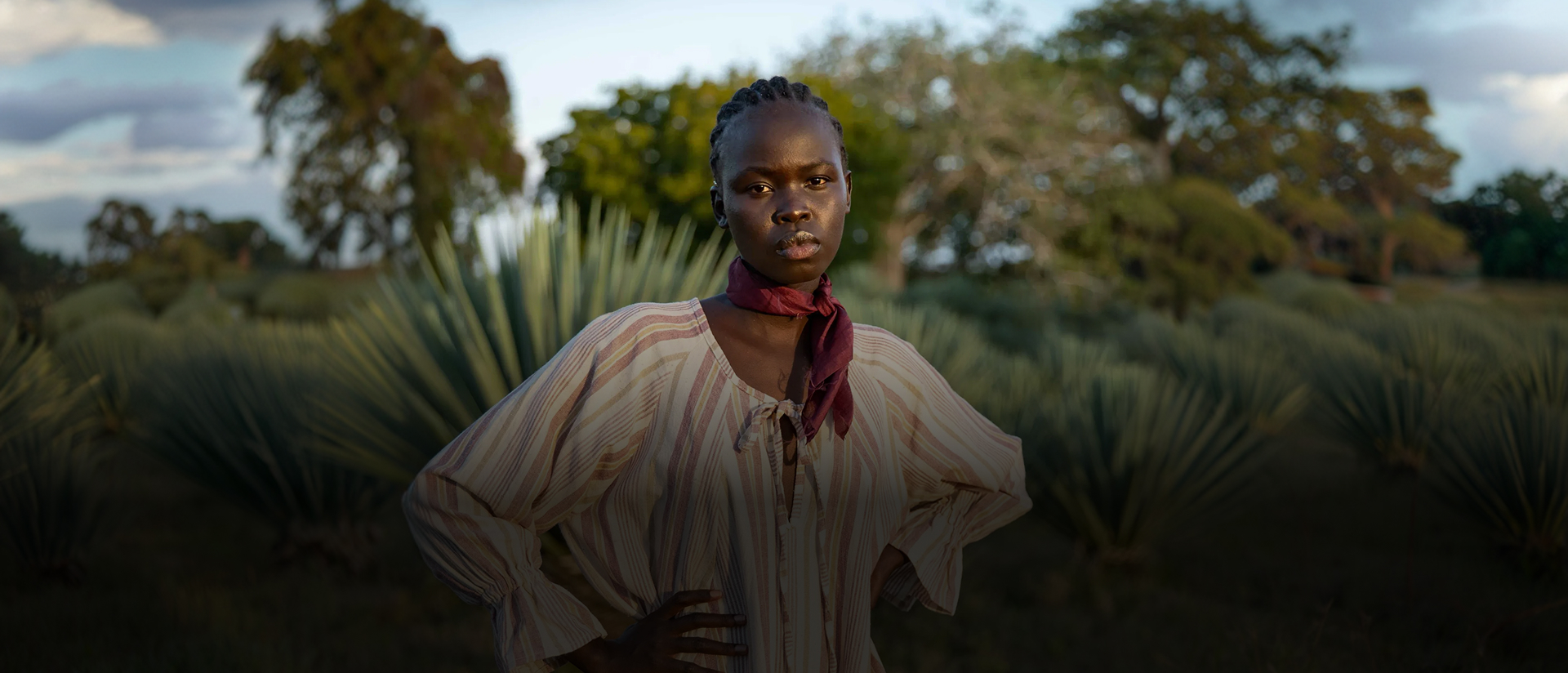
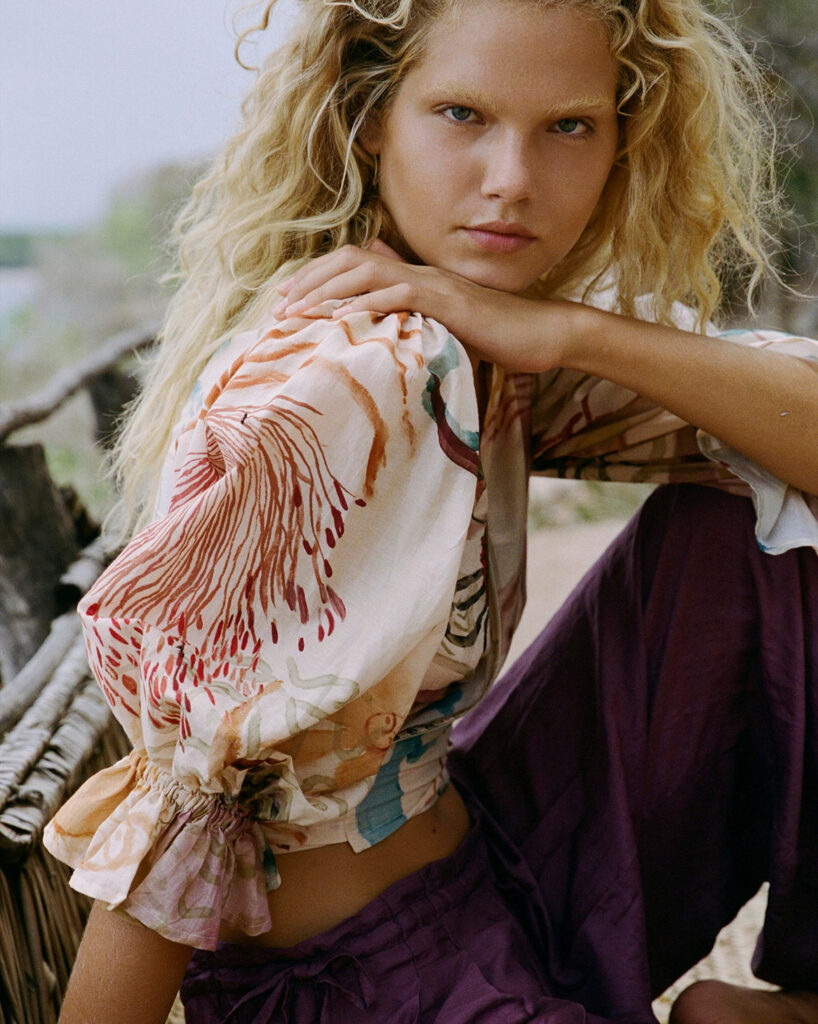
Hamaji is a conscious luxury fashion brand rooted in craftsmanship, storytelling and cultural exchange. Inspired by the landscapes of East Africa and artisanal traditions across India and the Himalayas, the brand blends handwoven textiles, botanical dyes and traditional techniques with fluid, feminine silhouettes, creating pieces with intention, longevity and a deep respect for the artisans behind each garment.
Hamaji means “nomad” in Swahili. What was the defining moment that made you turn this essence into a tangible fashion brand?
It started as the core of my graduation collection at design university, a study on nomadic craftsmanship, the Silk Road and textile embellishment. The defining moment came when I realised it represented something far more personal, a reflection of the creative, nomadic upbringing that shaped me. I felt deeply connected to storytelling through textiles and design. Pursuing Hamaji became a way to translate this feminine, free-spirited essence into something tangible.
How does the fusion of East African culture and Indian craftsmanship shape Hamaji’s visual identity?
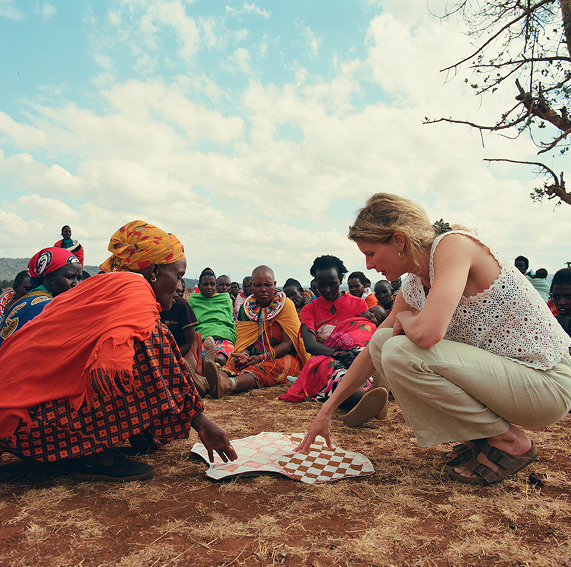
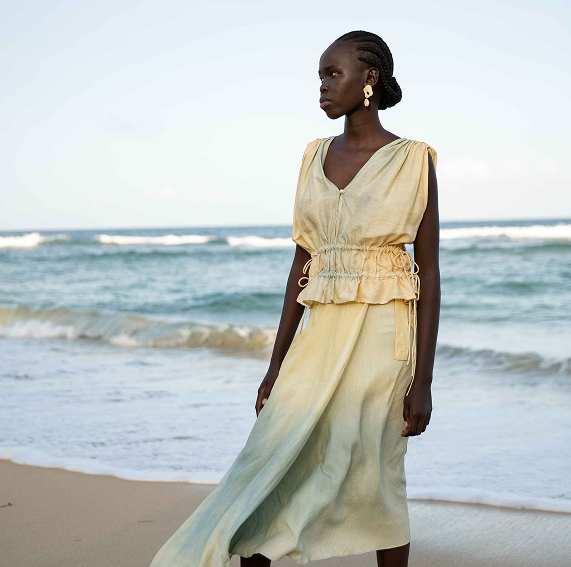
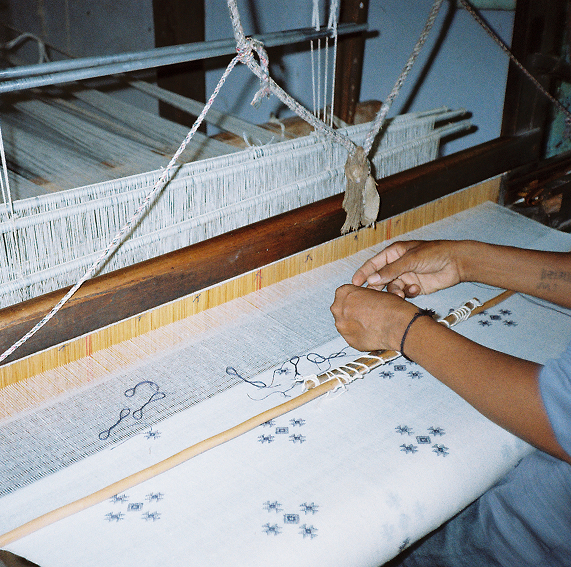
East Africa brings a sense of ease, warmth and connection to nature, reflected in our coastal colour palettes, fluid silhouettes and organic textures. Indian craftsmanship introduces layers of artisanal depth through handloom weaving, botanical dyeing, embroidery and intricate techniques passed down through generations. Together, these influences create collections that feel both grounded and nomadic, balancing raw natural beauty with refined handcraft, and celebrating the dialogue between cultures connected by the Indian Ocean.
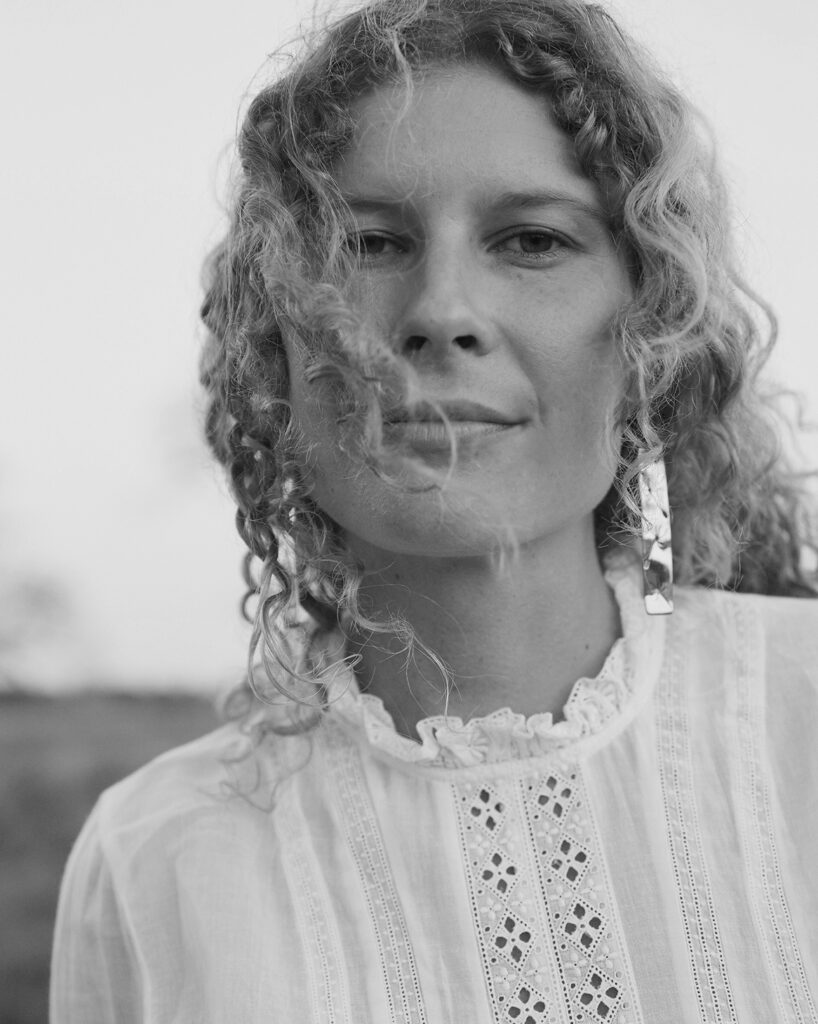
“The slower process itself becomes part of the value and identity of Hamaji. We want our customers to understand the time, skill and human hands behind each piece.”
— Louise Sommerlatte, Founder & Designer
You operate under a slow fashion philosophy. How do you balance commercial demands with a mindful production pace?
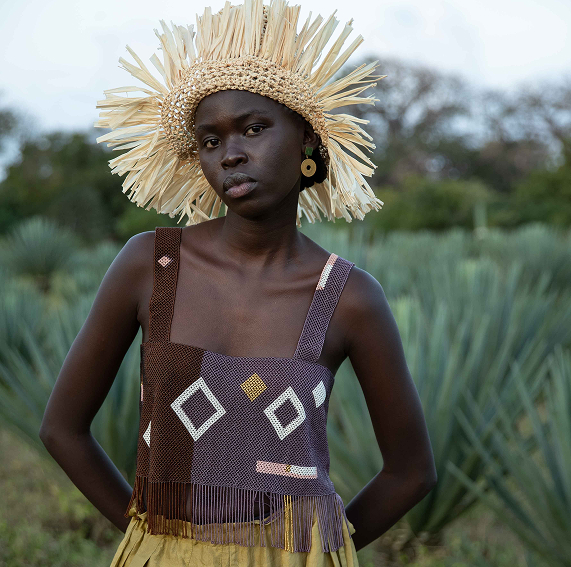
We focus on timeless pieces, small-batch production and building strong relationships with the artisans and makers we work with. Rather than following fast-moving trends, we create collections designed to have longevity, both in craftsmanship and design, and our customers and retailers understand this. Transparency is also key: we want people to understand the time, skill and human hands behind each piece. In many ways, the slower process itself becomes part of the value and identity of Hamaji.
What are the greatest challenges of working exclusively with botanical dyes and natural fibres?
Working with natural fibres and botanical dyes is incredibly rewarding, but it requires patience and flexibility. Unlike synthetic materials, natural raw materials are never completely uniform. Colours can shift subtly from batch to batch, and outcomes often depend on seasons, climate and the availability of plants. The process is also much slower and more labour intensive. Achieving the right tones through botanical dyeing can take multiple attempts, and working with handspun or handwoven textiles means embracing irregularities that are, in fact, part of their beauty. Scalability is another real challenge, as many of these techniques rely on highly skilled artisans and traditional methods that simply cannot be rushed.
Tell us about the artisans you collaborate with in Kenya. What does a day working alongside them look like?
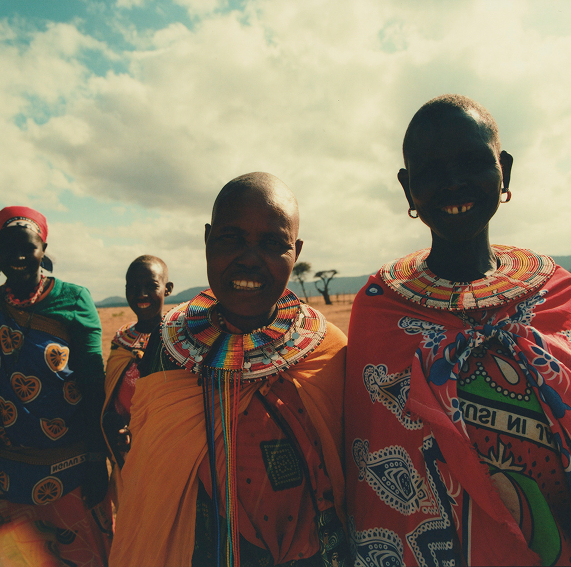
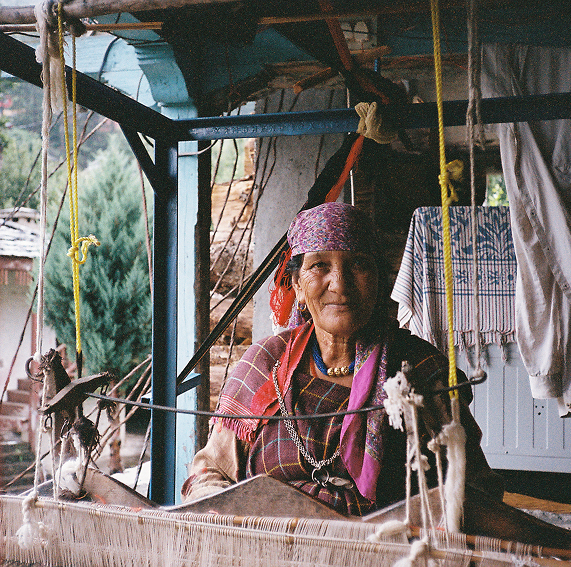
We work with handloom weavers, Maasai beaders, knitters and embroidery artisans spread throughout the country. A day with them always begins with quite a journey, whether on the back of a motorbike or down a dusty road, getting there is always an adventure. We start with tea and conversation, developing the design together, discussing colours, techniques, how to best master what we have in mind. This is the part that inspires me most about Hamaji, being able to spend hours talking about craft with the true masters of their art.
What is your favourite piece from the current collection, and what story does it tell?
It is so hard to choose, but I think it has to be the Indira Jacket, handwoven in the Himalayas in collaboration with Kullvi Whims. Each jacket takes one full month to weave. First, wool is sourced from the Gaddis, the Himalayan pastoral tribe. It is then hand-spun into yarn, dyed with local flora, and hand-loomed into these extraordinary jackets. Each woven motif tells a story, weaving the narratives of the women who craft them. They are true labours of love.
How do you envision Hamaji evolving over the next five years?
I want Hamaji to continue growing thoughtfully and intentionally, while staying deeply rooted in craftsmanship and conscious production. In an industry that moves so quickly, there is increasing value in authenticity, human connection and pieces that carry real meaning. I want to keep championing artisanal techniques and the communities behind them, while refining our visual language season after season, and connecting with more like-minded retailers worldwide to bring our designs to a truly global audience.
What would you say to young designers who want to build an ethical, sustainable brand today?
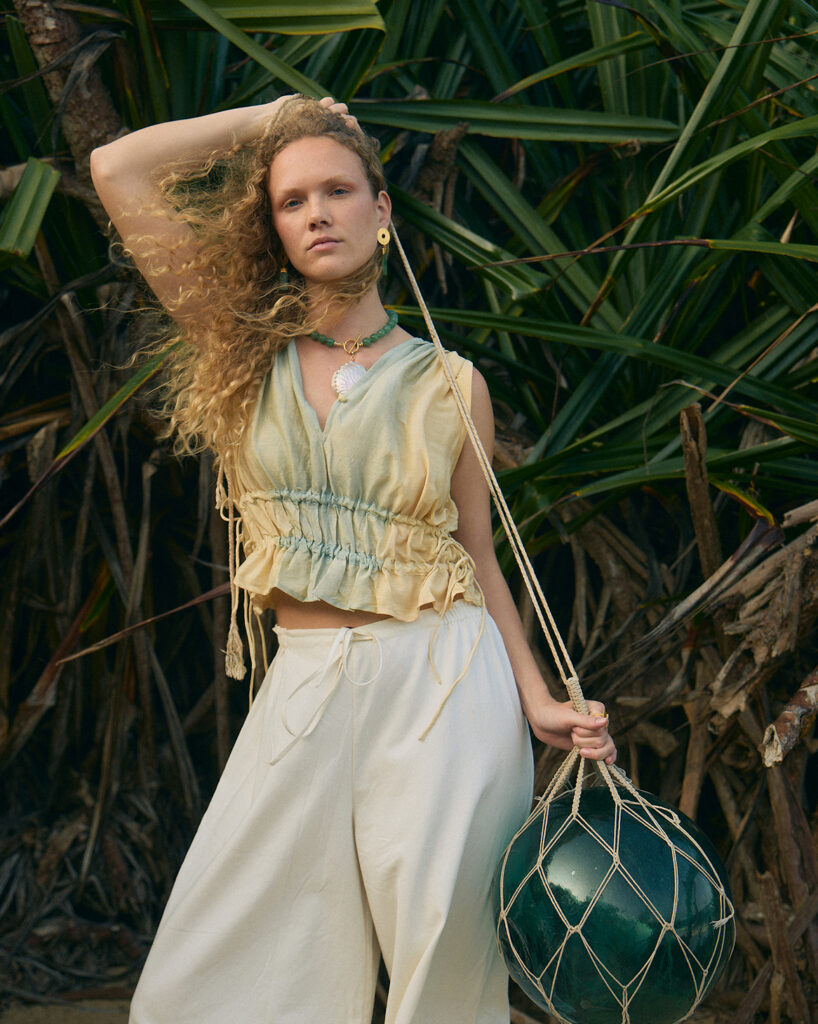
Don’t be afraid of evolving at your own pace. Building a conscious brand takes patience, resilience and passion, but if your work comes from a genuine place, that authenticity will always resonate far more deeply than following trends.
“Don’t be afraid of evolving at your own pace. If your work comes from a genuine place, that authenticity will always resonate far more deeply than following trends.”
— Louise Sommerlatte, on advice for young designers